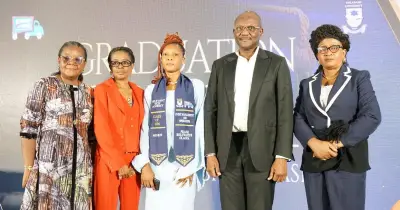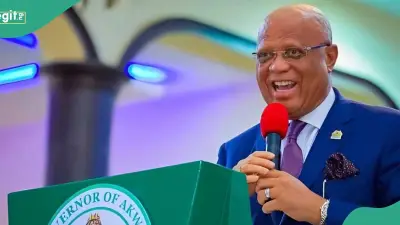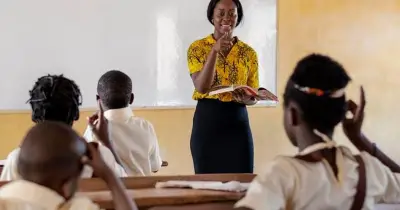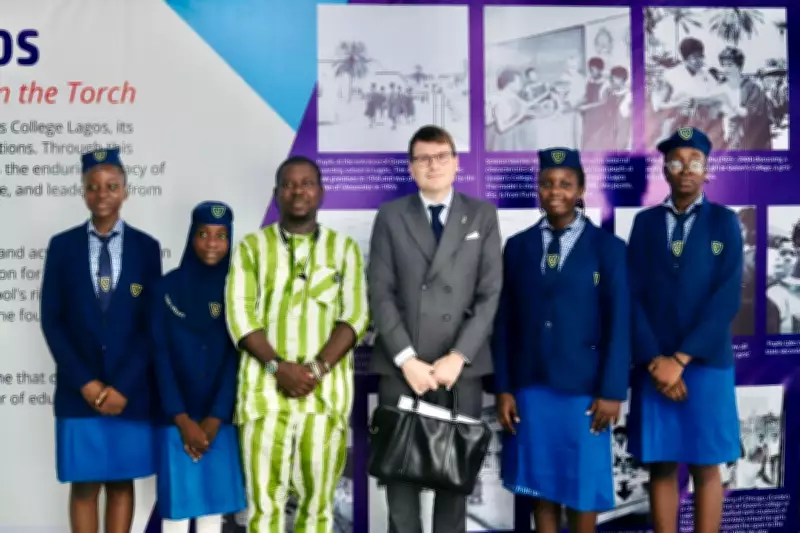
The HerStory of Nigeria school tour was recently launched at Queens College, aiming to document and teach the contributions of Nigerian women that are largely absent from existing historical narratives. The initiative, driven by ASIRI Magazine, combines in-school engagements and a digital advocacy programme to introduce students to women's roles in Nigeria's socio-political development, while also unveiling an illustration-based magazine designed for accessibility among young learners.
Addressing Gaps in History Education
The programme comes amid concerns that history education has weakened in classrooms and public consciousness. Speakers warned that gaps in historical knowledge, particularly around women, could affect identity formation and future decision-making. Founder of ASIRI Magazine and project curator, Dr. Oludamola Adebowale, anchored the initiative in what he described as a long-standing gap in how Nigerian history is taught and preserved, especially regarding women.
“This event is rooted in deep passion. This is about our commitment to preserving our heritage as Nigerians,” he said, explaining that his interest in the subject deepened after encountering archival materials on Nigerian women during a research engagement at Oxford University—records he had not previously come across despite his background in historical research.
Structured Response to Historical Omissions
Adebowale said the project was developed as a structured response to that gap, not only to retell stories but to document and preserve them in a more accessible and research-driven format. “When you look at some of our narratives you find online and in books, it's always about the men. This is just to fill in the gap and also build a solid research repository of history based for women,” he said. He added that the initiative includes the development of a central digital archive where materials on Nigerian women can be accessed by students, teachers, and researchers, stressing that the goal is to move beyond fragmented or informal sources.
Institutional Support and Historical Context
Principal of Queens College, Dr. Adetutu Obabore, situated the programme within the institution's historical mission, describing the school as a product of a deliberate commitment to girls' education at a time when it was not widely prioritised. She said the initiative reflects values the school has upheld for decades, noting that education extends beyond academics to include identity, history, and responsibility. She highlighted the focus on the 1910–1950 period, when women in Lagos played active roles across sectors despite limited recognition, functioning as traders, journalists, union leaders, political organisers, and social reformers.
President of the Queen's College Old Girls Association, Temitayo Okunoren-Makindipe, said the project reinforces the need to recognise women whose contributions have historically been overlooked, including figures linked to the founding and development of the school. She pointed to individuals such as Lady Oyinkan Abayomi and Lady Elizabeth Clifford, noting that their roles in advancing girls' education and institutional development have not been sufficiently acknowledged, and said the initiative provides an opportunity to correct such omissions.
International Partnership and Future Vision
Representing the British High Commission, Deputy Head of Mission Simon Field said the government he represents is keen to promote women and is supporting the initiative as an opportunity for students to learn history and draw from it, noting that such knowledge helps them understand both the present and the future. He added that the partnership is aimed at educating young people about Nigerian women who have contributed in the past, with the intention of inspiring others to move forward with confidence and growth, noting that the collaboration is with ASIRI Magazine, which is taking the initiative to schools across Nigeria.
Managing Director and Chief Executive Officer of UBA Foundation, Bola Atta, said the project is key at a time when history is no longer as alive or as impactful as it used to be, noting that many young people do not know where they came from or the people that impacted the country to be where it is today. She said this makes it necessary to bring history back into learning so that it is not lost in the next generation.