Digital Colonization of Nigerian Youth: Confronting the Manosphere's Toxic Influence
From the haunting radicalization depicted in the Netflix series Adolescence to the chilling insights of the recent documentary Inside the Manosphere, a global alarm is sounding about the dangerous ideologies spreading through digital spaces. Closer to home in Nigeria, disturbing reports of harassment at the Ozoro festival in Delta State serve as a grim reminder that gender relations in the digital age are reaching a critical breaking point across Nigerian communities.
The Manosphere's Migration into Nigerian Spaces
As parents and stakeholders in Nigeria, we can no longer afford to view "the manosphere" as merely a niche internet subculture confined to Western contexts. This toxic ecosystem has migrated from the dark corners of Reddit and other platforms directly into the bedrooms of our sons and the very streets of our communities. At LagosMums, our mission centers on raising digitally savvy and emotionally resilient children, which requires us to actively deconstruct the digital pipelines currently shaping our boys' views on masculinity, power dynamics, and the Nigerian woman.
The manosphere represents a loose yet potent collection of websites, podcasts, and social media influencers promoting what they call "traditional" masculinity through a lens of extreme misogyny and dominance. This digital movement operates through several distinct yet overlapping factions that have gained traction among Nigerian youth:
- Incels (Involuntary Celibates): Men who harbor deep-seated resentment toward women, blaming them for their perceived social or romantic failures.
- MGTOW (Men Going Their Own Way): A movement advocating for men to separate themselves from women and a society they believe is systematically biased against them.
- Red Pillers: Drawing from The Matrix metaphor, they claim to have "woken up" to a "truth" where society favors women while men face inherent disadvantages.
The Algorithmic Divide and Localized Targeting
We often mistakenly categorize these trends as "Western problems" irrelevant to Nigerian society. However, the digital world completely ignores national borders while simultaneously exploiting them through sophisticated algorithmic targeting. It's a technical reality that social media platforms show different content based on geography and user behavior patterns.
A teenager in Lagos is served a fundamentally different digital diet than his cousin in Toronto or London. While the international cousin might be fed content centered on Western "culture wars," the Nigerian boy is specifically targeted with "hustle culture" influencers who skillfully blend financial ambition narratives with toxic gender roles. The algorithm learns what "Nigerian men" are clicking on and creates a powerful feedback loop that reinforces local prejudices under the guise of "motivation" and "success."
The Real-World Consequences in Nigerian Communities
The recent viral videos from the Ozoro festival, showing the public harassment of women, are not isolated incidents of "youthful exuberance" as some might dismiss them. They represent the fruit of a dangerous seed planted in the minds of young men through digital radicalization. Whether framed as "tradition" or "culture," these actions stem from the manosphere's core tenet that a woman's dignity is secondary to male dominance and control.
Most Nigerian boys do not consciously set out to find hateful ideologies; they typically go looking for a sense of belonging and identity. The manosphere strategically fills this void by offering:
- Certainty: In Nigeria's rapidly changing social landscape, it provides a rigid "manual" on how to be a man that appeals to those seeking clear guidelines.
- Community: It offers a "brotherhood" to those feeling socially isolated or disconnected from traditional support systems.
- Ambition: It uses the "hook" of wealth, fitness, and "the grind" to attract young men before slowly introducing more radicalized views about gender relations.
Parental Strategies for Countering Digital Radicalization
Using the Digital Hierarchy of Needs™ framework, we must critically evaluate whether our children's needs for genuine connection and belonging are being met offline. Nigerian parents should remain alert to several warning signs:
- New Vocabulary: The sudden adoption of terms like "alpha," "beta," "femoid," or "red-pilled" in everyday conversation.
- Sudden Aggression: A newfound hostility toward mothers, sisters, or female authority figures that represents a departure from previous behavior.
- Echo Chambers: Spending excessive hours consumed by "masculinity" podcasts or content that equates respect with female submission.
To effectively counter this digital colonization, Nigerian parents must move from passive observation to active engagement with their children's online lives:
Proactive Education: Don't wait for the algorithm to teach your son about gender relations. Initiate discussions about the content they consume regularly. Ask probing questions like "What is the underlying message of this influencer you follow?" and "How does this content make you feel about relationships?"
Emotional Intelligence Development: The manosphere thrives on the dangerous lie that "real men don't show emotion." We must counter this by actively fostering emotional regulation, empathy, and healthy expression at home through modeling and direct teaching.
Algorithm Auditing: Sit with your child periodically and examine their "For You" pages and recommended content. Explain how the "echo chamber" effect works and demonstrate how clicking one video on male fitness can lead to hundreds of videos promoting toxic masculinity messages through algorithmic amplification.
Reclaiming African Values: Our traditional African values center on community, mutual respect, and collective wellbeing. We must remind our sons that true strength lies in protecting the dignity of others, not stripping it away. Nigerian cultural heritage offers rich alternatives to the manosphere's individualistic and adversarial worldview.
The Path Forward for Digital Parenting in Nigeria
Parents today are raising the first generation of "digital natives" at a time when "analogue" values of respect and dignity are being systematically challenged by viral toxicity. We must help our children develop the critical discernment to distinguish between genuine mentors and digital manipulators. This requires ongoing dialogue, digital literacy education, and the creation of healthy offline communities that provide authentic belonging.
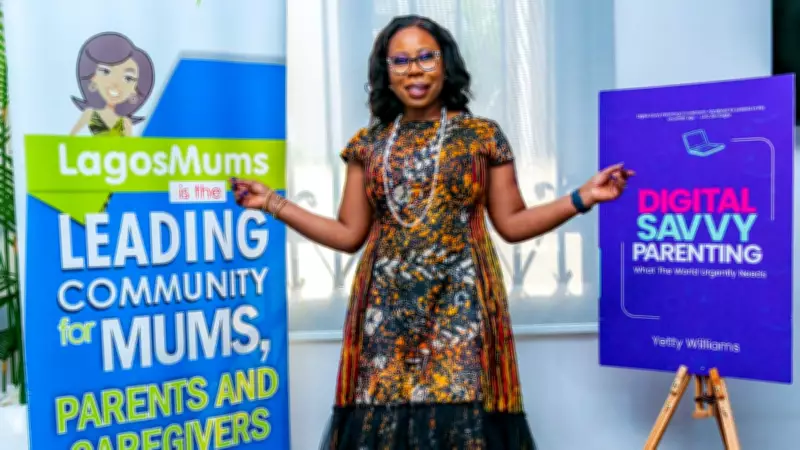
Yetty Williams is the founder of LagosMums and the author of "Digital Savvy Parenting: What the World Urgently Needs." Her work focuses on helping Nigerian parents navigate the challenges of raising children in an increasingly digital world while preserving cultural values and promoting healthy development.