UBEC Launches HOPE-EDU Program to Integrate 29 Million Out-of-School Children
The Universal Basic Education Commission (UBEC) has officially commenced the implementation of the HOPE-EDU program, a groundbreaking intervention designed to provide equal educational opportunities for children of school age across Nigeria. This initiative, funded by the World Bank and the Global Partnership for Education, is being spearheaded by UBEC in collaboration with State Universal Basic Education Boards (SUBEBs) with the ambitious goal of reducing the number of out-of-school children in the country by a staggering 29 million.
Program Details and Funding
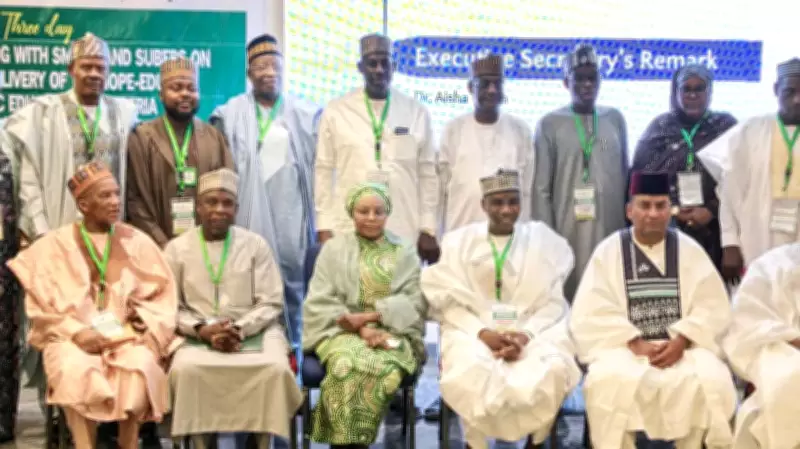
At the opening of a two-day sensitization program on the implementation of HOPE-EDU held in Kano on Monday, UBEC Executive Secretary, Dr. Aisha Garba, revealed that the intervention is backed by a substantial $552.18 million in funding from international partners. This financial support is intended to complement government efforts in basic education by providing technical assistance, boosting school enrollment, and enhancing infrastructure to achieve more impactful outcomes.
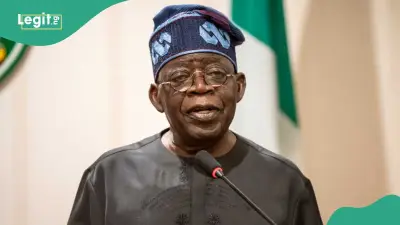
Dr. Garba emphasized that the program aligns seamlessly with President Bola Ahmed Tinubu's Renewed Hope Agenda. It is specifically tailored to empower 500,000 teachers, construct 13,000 new classrooms, and reintegrate millions of out-of-school children into the educational system nationwide. Unlike the traditional counterpart funding model between UBEC and SUBEBs, this program will offer grants and technical assistance to state boards after they meet certain requirements, positioning them as key drivers of the initiative.
Operational Framework and State Involvement
The sensitization program, which brought together heads of SUBEBs from the North West and North Eastern states, was designed to educate participants on the operational guidelines for implementing HOPE-EDU. Dr. Garba explained that the basic education sector is a top priority for the current government, in line with the president's agenda. The primary focus of this program is to increase access to education, particularly for out-of-school children, while also improving the quality of education through teacher empowerment and capacity building, she stated.
She further detailed that the program operates on a Programme for Results model, where states will implement the initiatives through their SUBEBs. The World Bank will provide incentive rewards based on achieved results, such as reducing the number of out-of-school children. For instance, if Kano State successfully brings one million children back to school, the project will count each child and allocate financing accordingly, ensuring accountability and performance-based funding.
State-Level Commitment and Support
Kano State Commissioner for Education, Dr. Ali Haruna Makoda, expressed the state's readiness to leverage the World Bank-funded program to enhance the quality of teaching and learning in public basic schools. He highlighted that the government's commitment to education is reflected in increased budgetary allocations, the recruitment of additional teachers, and the declaration of a state of emergency on education. Dr. Makoda commended the Federal Government for this initiative, underscoring its potential to transform the educational landscape in Nigeria.
This comprehensive effort marks a significant step towards addressing the critical issue of out-of-school children in Nigeria, with the HOPE-EDU program poised to make a substantial impact through strategic partnerships and targeted interventions.