In a significant policy shift, the Kaduna State Government is taking concrete steps to fundamentally reshape its educational landscape by making life skills training a compulsory component of learning for all secondary school students.
From 'Thinking' to 'Doing and Feeling': A New Educational Vision
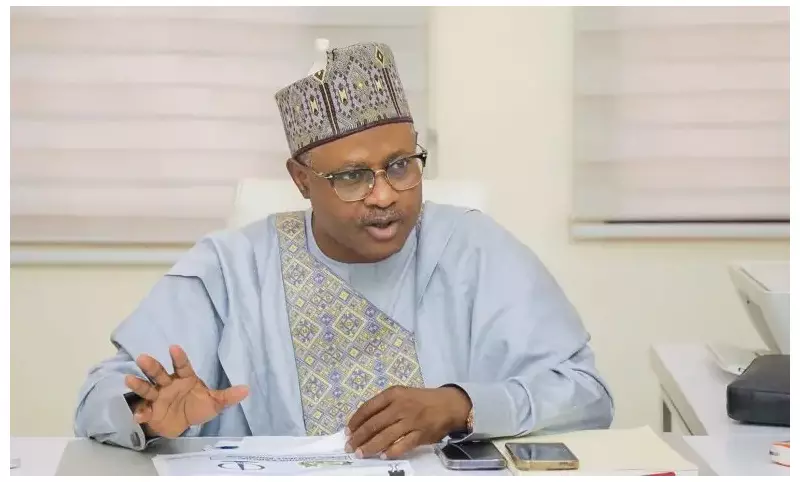
The State Commissioner for Education, Dr. Abubakar Sani Sambo, revealed the plan on behalf of Governor Uba Sani. He made the announcement on 17 January 2026 in Abuja during a strategic workshop focused on embedding life skills into the education sector.
Dr. Sambo explained that the government intends to present an executive bill to the Kaduna State House of Assembly. This proposed law seeks to permanently integrate life skills education into the state's secondary school curriculum. The core objective is to revolutionize learning by moving beyond a sole focus on academic grades.
"The transformation seeks to transition the educational model from a traditional 'thinking' approach to a holistic 'doing and feeling' approach," Sambo stated. He emphasized that this change is designed to deliberately cultivate students' emotional intelligence, resilience, and social responsibility, thereby better preparing them to navigate real-world challenges.
AGILE Project Paves the Way with Proven Results
This legislative push builds upon the successful pilot of a life skills programme already running in the state. The initiative operates under the World Bank-supported Adolescent Girls Initiative for Learning and Empowerment (AGILE) Project.
According to data presented, the programme has achieved remarkable reach and impact:
- It has been implemented across all senior secondary schools in Kaduna State.
- 40,536 girls and 1,864 boys have been reached.
- 1,141 teachers have been trained as mentors for the programme.
The curriculum covers vital modules including:
- Empowerment and leadership
- Health, nutrition, and reproductive health
- Gender-based violence prevention
- Climate change awareness
Officials report tangible positive outcomes from the pilot, including:
- Improved student confidence and self-esteem
- Reduced rates of absenteeism
- Higher school enrolment figures
- Positive behavioural changes such as increased gender respect and empathy among students
Maryam Sani Dangaji, the AGILE State Project Coordinator, confirmed the programme's statewide implementation. Habiba Mohammed, Executive Director of the Centre for Girls' Education, praised Kaduna's progress, noting it has "positioned it as a regional leader in sustainable educational reform."
Legislative Backing and a Lasting Legacy
The proposed bill is expected to provide a strong legal framework and a dedicated budget for the life skills programme. This will ensure its sustainability as a core part of Kaduna's public school system for generations to come.
In response, Emmanuel Bako Kantiok, Chairman of the State House of Assembly Committee on Education, assured that the legislature is prepared to fast-track the passage of the bill once final inputs from stakeholders are received. This signals strong political will to turn this educational vision into a binding state law.
Governor Uba Sani's move marks a bold commitment to producing graduates who are not only academically sound but also emotionally intelligent, resilient, and socially responsible citizens equipped to thrive in a complex world.