Nigerian Universities Urged to Enhance Global Grant Access and Resource Mobilization
Nigerian universities have been strongly advised to improve their capabilities in securing international grants and adopting strategic approaches to resource mobilization. This initiative aims to ensure their competitiveness, global relevance, and financial sustainability in a rapidly changing academic environment.
Call to Action from Education and Industry Leaders
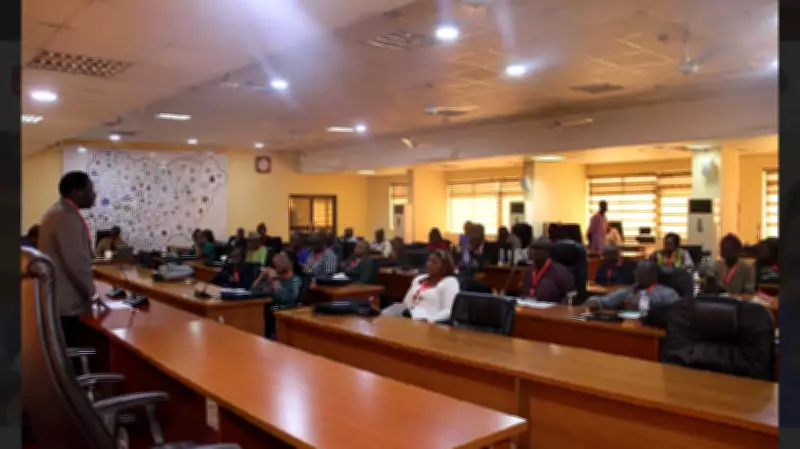
The appeal was made by Professor Andrew Haruna, Secretary-General of the Committee of Vice-Chancellors of Nigerian Universities (CVCNU), and Ken Oguzie, Managing Director and CEO of Optimal Delivery Solutions Projects and Corporate Services Limited. They spoke at a collaborative research workshop held at the CVCNU Secretariat in Abuja, themed 'Unlocking Global Funding: Resource Mobilization and International Grantsmanship for Nigerian Universities'.
Addressing Funding Disparities in Higher Education
Recent reports highlight a significant gap in endowment funds between Nigerian universities and their international counterparts. For instance, the University of Cape Town boasts an endowment of N441 billion, vastly overshadowing the combined N6.8 billion of eight Nigerian public institutions. This disparity underscores the challenges in Nigeria's higher education sector, where alternative funding sources remain underutilized, hindering global competitiveness.
Challenges and Strategic Shifts Needed
Professor Haruna emphasized that the global academic landscape has evolved, with top universities increasingly relying on competitive grants to drive innovation and research. He noted that while Nigerian universities are eligible for such funding, many face capacity gaps, including:
- Weak proposal development skills
- Poor alignment with donor priorities
- Limited institutional frameworks for grants acquisition
- Inadequate collaboration efforts
He stressed that over-reliance on government subventions persists, while opportunities from international grants, industry partnerships, and research networks are not fully exploited. The workshop aimed to provide practical strategies to transition from occasional grant success to a sustainable culture of research funding.
Key Recommendations for Improvement
Ken Oguzie outlined three critical shifts Nigerian universities must embrace to attract global funding:
- Move from individual effort to institutional strategy
- Shift from local thinking to global relevance
- Transition from competition to collaboration
He highlighted that funders prioritize solutions to global challenges such as climate change, food security, artificial intelligence, public health, and inclusive development. Oguzie urged Vice-Chancellors to lead in grantsmanship, noting that grant writing is a strategic capability, not just a technical skill. He also emphasized the importance of aligning research with global priorities while incorporating unique Nigerian and African perspectives to enhance relevance.
Emphasis on Collaboration and Future Outlook
Oguzie further stated that successful grants today are often collaborative, involving multiple universities, countries, and disciplines. He encouraged Nigerian institutions to actively seek partnerships within Africa and internationally, as collaboration boosts credibility, expands expertise, and increases success rates. The workshop concluded with a focus on building effective partnerships and improving grantsmanship practices to foster a more structured approach to resource mobilization in Nigerian universities.