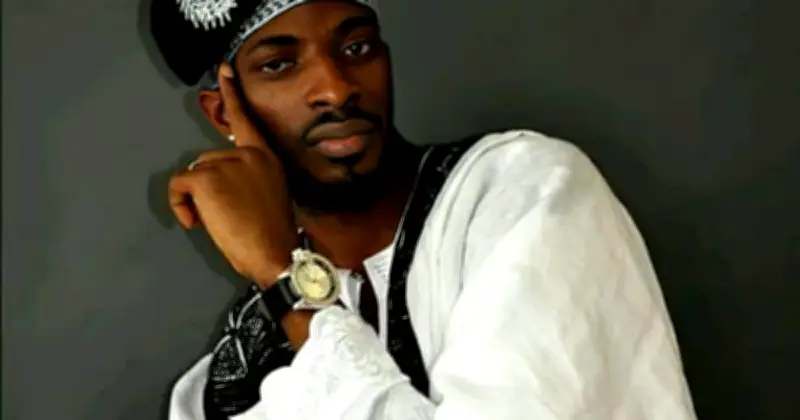
Nigerian singer 9ice has once again ignited online debate after declaring that his parents, rather than any deity, occupy the highest spiritual place in his life. In a video posted to his Instagram on Sunday, the artist stated: 'Today I'll tell you something I don't really talk about, but I'll talk today. I love my mum, I love my dad, my god is my mum, my father is my god.' He further clarified in the comments that the reverence typically reserved for an unseen God should instead be directed at one's parents.
The singer did not stop there. 'I don't believe in inferior Gods,' he added, distancing himself from the worship of any other spiritual beings and insisting his belief system does not fit neatly into traditional religious structures. The remarks have sparked fresh debate online over his views on religion and spirituality.
Public reaction and criticism
Predictably, the internet had thoughts, and most of them were not kind. A large portion of reactions accused him of being under the influence of something, with many dismissing the statement outright rather than engaging with it. This is not 9ice's first brush with this kind of controversy, and that is part of why the latest clip spread as fast as it did.
Back in April, he went viral for a different but related rant, this time aimed squarely at Nigeria's religious culture. 'You'll leave Nigeria and go to Mecca to go and lick rock all in the name of Kabba,' he said then, arguing that decades of national prayer had not translated into national progress. He compared Nigeria's work ethic unfavourably to London's, joking that between church on Sunday, Bible study on Wednesday and vigil on Friday, 'when would you work?'
Revelation of Babalawo practice
That same April video carried the revelation that explains much of the current reaction: 9ice disclosed he has been a practising Babalawo, a Yoruba traditional priest, for over 18 years, a detail he had kept private until then. He also claimed, controversially, that 'every favour you want in life is in the hands of the devil.'
So when he resurfaces months later, effectively rejecting organised religion's deities in favour of his parents, it reads less like an isolated outburst and more like a continuation of a worldview he has been slowly unpacking in public.
Mixed reactions from Nigerians
Some Nigerians found merit in his earlier point about productivity versus performative religiosity. Far fewer have extended that same patience to his spiritual claims, with both the Babalawo reveal and now this parental-deity comparison landing mostly as fodder for mockery rather than genuine reflection. Whether 9ice is mid-spiritual-awakening or simply enjoys stirring timelines is, at this point, anyone's guess.