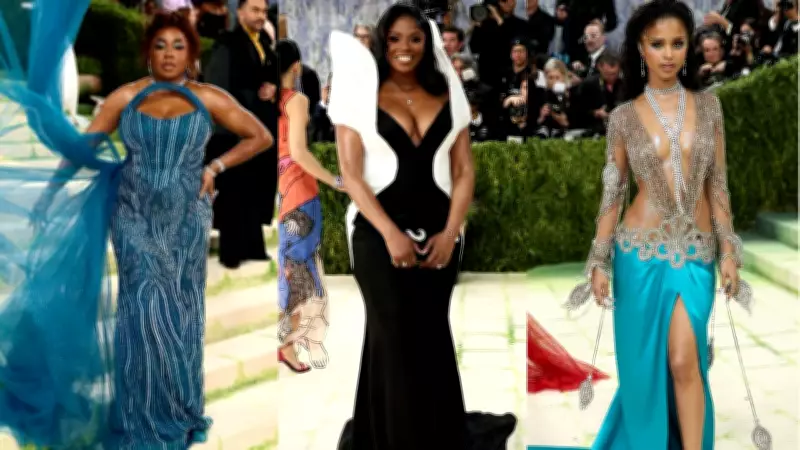
The Metropolitan Museum of Art became a vibrant showcase for African brilliance this week as the 2026 Met Gala welcomed a distinguished cohort of the continent's brightest stars. This year's gala, which continues to be the most prestigious event in the global fashion calendar, saw African celebrities move beyond mere attendance to command the absolute centre of the spotlight.
African Stars Dominate the Red Carpet
South African sensation Tyla returned to the carpet, cementing her status as a global fashion icon. Building on her previous successes, her 2026 appearance pushed the boundaries of wearable art, blending cutting-edge technology with traditional African motifs. British-Nigerian pioneer Skepta also made a sophisticated appearance, representing the seamless fusion of London's street culture and heritage luxury. Alongside other notable African figures like Damon Idris, his participation underscored a night where African identity was both celebrated and elevated to the highest level of artistry.
A New Era for African Fashion
The presence of African stars at the 2026 Met Gala marks a significant shift in the industry. By bringing their unique perspectives to this global platform, these icons are proving that Africans are constantly gaining recognition in the international community. From the meticulous craftsmanship of their garments to their poised presence on the red carpet, the message was clear: these African stars are not just part of the fashion conversation; they are leading.
Other highlights included stunning ensembles that paid homage to diverse African cultures, with designers incorporating bold prints, intricate beadwork, and innovative silhouettes. The event also featured performances by African musicians, further highlighting the continent's cultural influence.
African Celebrities at 2026 Met Gala
The 2026 Met Gala was a night of celebration for African excellence. Tyla, Skepta, and Damon Idris were among the stars who captivated audiences worldwide. Their appearances not only showcased their individual style but also represented a collective statement of African pride and creativity.