Nigerian fashion designer and creative entrepreneur Bright Urobo is strengthening his position as a rising global voice in African luxury fashion following a series of international invitations, speaking engagements, and growing commercial expansion across Europe and the Middle East.
Urobo, the founder of Lagos-based fashion house Ranto Clothings, has experienced increased international demand from clients in the United Kingdom and the United Arab Emirates in 2026, reflecting the growing global appetite for African fashion. The brand is steadily gaining visibility through international showcases and institutional collaborations, and Urobo stated that this phase of his career represents a broader shift in how African fashion is perceived globally.
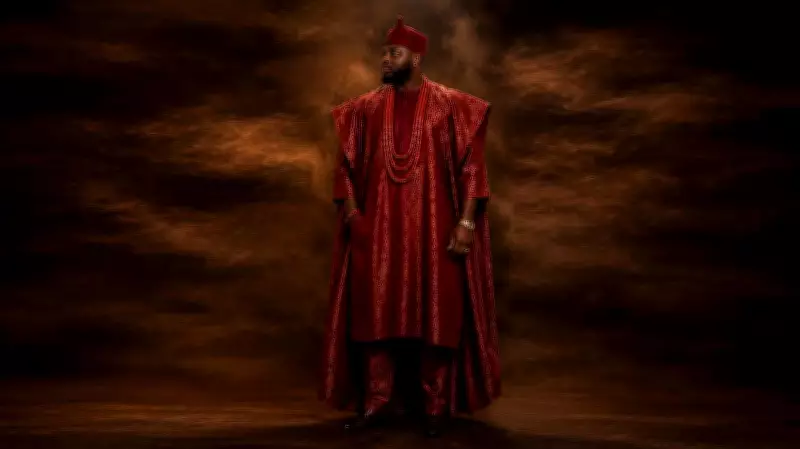
Founded in 2018, Ranto Clothings has evolved from an independent Lagos fashion label into a multidimensional enterprise operating across couture, ready-to-wear, institutional manufacturing, artistic collaboration, and creative education. The brand recently participated in global fashion platforms such as African Fashion Week London, Swahili Fashion Week, African Hub Fashion Week London, and La Mode London UK Fashion Week. Urobo also showcased at an African designer event in London, strengthening the brand's growing relationship with the UK fashion market and the wider African diaspora.
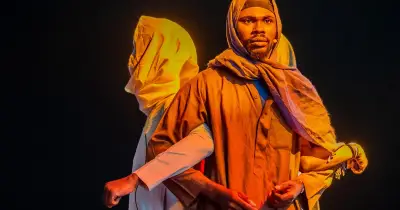
Industry observers note that the increasing international recognition of Ranto Clothings reflects the growing influence of African designers who are positioning their work beyond aesthetics and into conversations about culture, sustainability, and identity. Known for collections like Afrofuturism, Global Nomad, Cultural Threads, and Timeless Essence, Urobo's creative direction consistently explores themes of African identity, migration, heritage, and futurism through contemporary tailoring and textile storytelling.
In addition to the brand's commercial expansion, Urobo's leadership influence within the creative sector continues to grow. He recently spoke at a fashion leadership panel at Uyo Fashion Week, where discussions focused on sustainability, mentorship, infrastructure, and the future of African fashion entrepreneurship. He has also secured invitations to participate in major cultural and intellectual conversations internationally, including The Beauty of Art at Gallery 1957 and Fashion Meets Art at the African Centre London. According to him, these engagements reflect the increasing recognition of African fashion as both artistic practice and cultural scholarship.
Part of the brand's recent international visibility includes a collaboration with a London-based African stylist, a partnership he described as an exploration of diasporic African identity and cross-cultural storytelling through fashion. Beyond the runway, Urobo has continued to invest in mentorship and educational initiatives through the Ranto Masterclass Series and Elevate Fashion Initiative, designed to support emerging African creatives through technical training, entrepreneurship education, and structured mentorship opportunities. Since their launch, both initiatives have supported over 500 young creatives across Nigeria and the diaspora.
Industry analysts note that this combination of creative visibility, educational investment, and industrial production capacity has increasingly positioned Ranto Clothings as part of a new generation of African fashion businesses operating simultaneously as cultural and economic institutions. The company also maintains a Lagos production infrastructure that has handled large-scale institutional manufacturing commissions for organizations including UBA Nigeria, Access Bank Nigeria, Halogen Security Nigeria, and Benson Idahosa University.
For Urobo, however, the larger goal extends beyond personal recognition. He said, "The future belongs to brands willing to think beyond clothing and build ecosystems around creativity, culture, and industry." As African fashion continues gaining international visibility and commercial relevance, the expansion of brands like Ranto Clothings signals a broader transformation within the global luxury landscape—one increasingly shaped by African narratives, craftsmanship, and cultural leadership.