Nigerian Cartoonist's Satirical Take on Current Affairs Sparks Debate
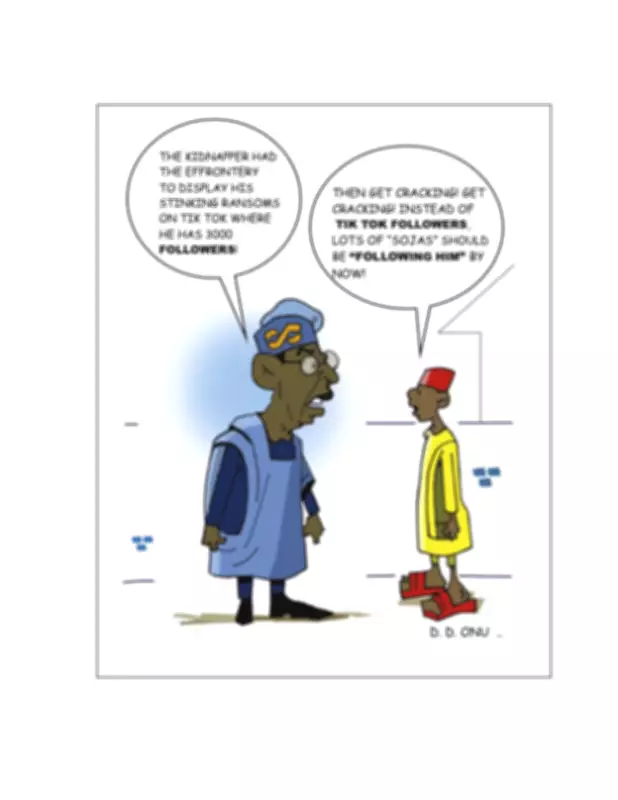
A recent cartoon published in a Nigerian newspaper has ignited a lively debate across the country, as it uses humor and satire to comment on pressing political and social issues. The artwork, created by a local cartoonist, depicts various caricatures of public figures and scenarios that reflect ongoing challenges in Nigeria, such as corruption, economic struggles, and governance.
Public Reaction and Mixed Responses
The cartoon has garnered a wide range of reactions from the public. Some viewers praise it for its clever and insightful critique, noting that satire serves as a powerful tool to hold leaders accountable and stimulate public discourse. Others, however, have expressed concern that the humor might be too biting or divisive, potentially undermining efforts to foster unity and constructive dialogue.
Supporters argue that cartoons like this play a crucial role in a democratic society by providing a lighthearted yet poignant perspective on serious matters. They believe that such artistic expressions can help citizens engage with complex issues in a more accessible way, encouraging critical thinking and awareness.
The Role of Satire in National Discourse
Satire has a long history in Nigeria as a means of social and political commentary, often used by artists and writers to challenge authority and highlight societal flaws. This cartoon continues that tradition, using exaggerated imagery and witty captions to draw attention to topics that might otherwise be overlooked or ignored in mainstream media.
Experts in media and communication note that satire can be particularly effective in contexts where direct criticism is risky or censored. By wrapping serious messages in humor, cartoonists can bypass some of the barriers to free expression, reaching a broad audience and sparking conversations that might not occur otherwise.
Impact on Public Opinion and Media Landscape
The debate surrounding this cartoon underscores the evolving media landscape in Nigeria, where digital platforms and traditional outlets increasingly intersect. Social media users have shared the cartoon widely, amplifying its reach and adding their own interpretations and comments. This has led to a broader discussion about the state of the nation, with many calling for more transparency and accountability from leaders.
In response, some media analysts suggest that such satirical works can influence public opinion by framing issues in a memorable and engaging manner. They point out that cartoons often resonate with younger audiences, who might be less engaged with conventional news formats, thus playing a key role in shaping the next generation's views on governance and society.
Conclusion: A Reflection of Nigerian Society
Ultimately, this cartoon serves as a mirror to Nigerian society, reflecting both its challenges and its resilience. While opinions may differ on its tone and impact, there is a consensus that art and humor are vital components of a vibrant public sphere. As Nigeria continues to navigate complex political and social dynamics, satirical cartoons like this one will likely remain a significant part of the national conversation, offering both critique and comic relief.
Moving forward, observers hope that such creative expressions will inspire more open dialogue and positive change, contributing to a more informed and engaged citizenry.