Nigerian Cartoonist's Satirical Take on Current Affairs Sparks Debate
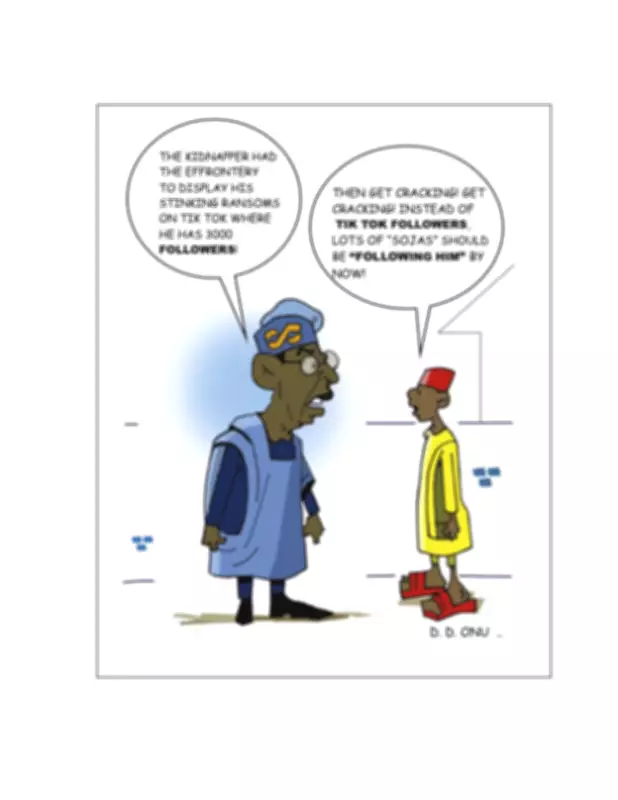
A recent cartoon published in a major Nigerian newspaper has ignited widespread discussion across the country, as it uses humor and satire to comment on pressing political and social issues. The artwork, created by a prominent local cartoonist, cleverly depicts various aspects of Nigerian life, from governance challenges to everyday societal concerns, in a light-hearted yet thought-provoking manner.
Public Reaction and Mixed Responses
The cartoon has elicited a range of reactions from the Nigerian public, with many praising its witty portrayal of real-world problems, while others have criticized it for being too simplistic or insensitive. Supporters argue that such satirical works play a crucial role in fostering dialogue and holding leaders accountable, by making complex issues more accessible and engaging for ordinary citizens. On the other hand, detractors contend that cartoons can sometimes oversimplify matters or perpetuate stereotypes, potentially undermining serious discourse.
The Role of Satire in National Discourse
This incident underscores the significant impact of satire in Nigeria's media landscape, where cartoons and other forms of humor are often used to critique authority and highlight societal flaws. Historically, Nigerian cartoonists have been at the forefront of political commentary, using their art to challenge corruption, inefficiency, and other malpractices in a way that resonates with a broad audience. Experts note that satire serves as a powerful tool for social change, encouraging reflection and debate without the formality of traditional news reporting.
In recent years, the popularity of satirical content has grown, with many Nigerians turning to cartoons and comedy shows for insights into current events. This trend reflects a broader shift towards more interactive and engaging forms of media consumption, where humor is leveraged to address serious topics. The cartoon in question is part of this larger movement, contributing to a vibrant culture of critique and expression in the nation.
Implications for Media and Society
The debate sparked by the cartoon highlights ongoing tensions between freedom of expression and responsible journalism in Nigeria. While satire is protected under laws promoting free speech, it also raises questions about balance and ethics in media portrayal. As the country continues to navigate complex political and social landscapes, the role of cartoonists and other satirists remains pivotal in shaping public opinion and fostering a more informed citizenry.
Moving forward, observers suggest that such works will likely continue to provoke discussion, serving as a barometer for public sentiment and a catalyst for change. By blending humor with critical analysis, Nigerian cartoonists contribute to a dynamic and multifaceted national conversation, reminding everyone of the power of art to reflect and influence reality.