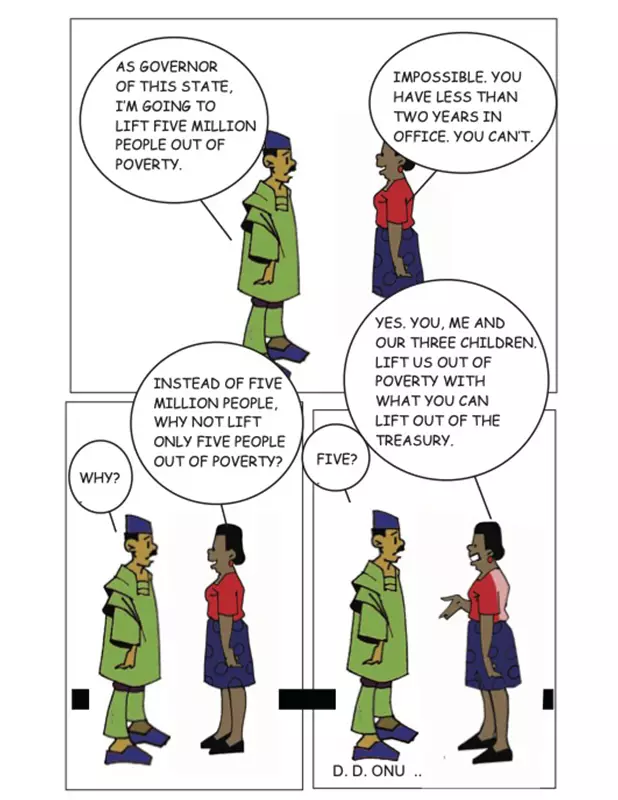
In the vibrant and often tumultuous landscape of Nigerian media, one form of commentary cuts through the noise with sharp wit and visual punch: the editorial cartoon. A recent piece featured in The Guardian Nigeria serves as a potent reminder of this art form's enduring power to hold a mirror up to society, reflecting its absurdities, injustices, and political dramas with a single, impactful frame.
The Unspoken Truths of Visual Satire
Unlike lengthy op-eds or televised debates, a political cartoon delivers its message instantly. It bypasses complex rhetoric and speaks a universal language of imagery and symbolism. The cartoonist acts as a social critic, using exaggeration and irony to highlight issues that affect everyday Nigerians. From the corridors of power in Abuja to the bustling streets of Lagos, these drawings capture the public sentiment in ways words sometimes cannot.
The strength of a great Nigerian cartoon lies in its ability to be both timely and timeless. It might comment on a specific event—a controversial government policy, a glaring case of corruption, or the fuel scarcity saga—but the underlying themes of governance, equity, and social justice resonate deeply across different administrations and eras. The artist distills complex national dramas into a scene that is immediately understood, often provoking a wry smile of recognition or a groan of frustration from the viewer.
Decoding the Symbols of Discontent
A typical Nigerian editorial cartoon is a rich tapestry of local symbols and metaphors. Recurring imagery might include the famous "Giant of Africa" depicted as a weary figure, oil barrels symbolizing the nation's wealth and its mismanagement, or crumbling infrastructure representing failed promises. Public figures are often rendered in caricature, their defining features amplified to make a pointed statement about their actions or character.
This visual shorthand is crucial. It allows the cartoon to communicate with a broad audience, transcending literacy barriers and engaging citizens from all walks of life. The humor, often dark and sardonic, is not for mere entertainment; it is a weapon of critique. It makes the pill of hard truth easier to swallow, even as it exposes the festering wounds within the body politic. In a climate where direct speech can be risky, the cartoon provides a layer of protection through allegory, enabling the artist to say what might otherwise be left unsaid.
The Cartoonist's Role in a Democratic Society
The work of a cartoonist in Nigeria is more than just drawing; it is an act of civic engagement. These artists function as watchdogs, using their pens to bark warnings and snap at the heels of complacent leadership. They give visual form to the grievances and aspirations of the common man, validating public frustration and, in some cases, even shaping the national conversation.
In a healthy democracy, a vibrant tradition of satire is a sign of a free press and an engaged populace. The continued presence and relevance of editorial cartoons in major publications like The Guardian indicate a space, however contested, for this kind of critical expression. They remind those in authority that the eyes of the people are upon them, interpreted through the discerning and unforgiving lens of the artist.
Beyond Laughter: The Lasting Impact
While the immediate reaction to a cartoon may be a chuckle or a sigh, its impact lingers. A powerful image can become iconic, cementing a particular moment or critique in the public's collective memory. It can be shared widely on social media, extending its reach far beyond the newspaper page and sparking discussions in digital town squares.
Ultimately, the Nigerian editorial cartoon is a testament to resilience and creativity. It proves that critique can be artistic, and protest can be eloquent. In a nation constantly grappling with complex challenges, these drawings provide a momentary catharsis and a crucial checkpoint for societal reflection. They are not just pictures on a page; they are historical documents, cultural barometers, and the sharp, inky conscience of a nation.