The Federal Government, in partnership with the World Intellectual Property Organisation (WIPO), has launched the Creators Learn Intellectual Property (CLIP), an innovative online platform aimed at equipping Nigerian creatives with essential knowledge on copyright, royalties, and intellectual property rights. This initiative is part of broader efforts to maximise the potential of Nigeria’s burgeoning creative economy.
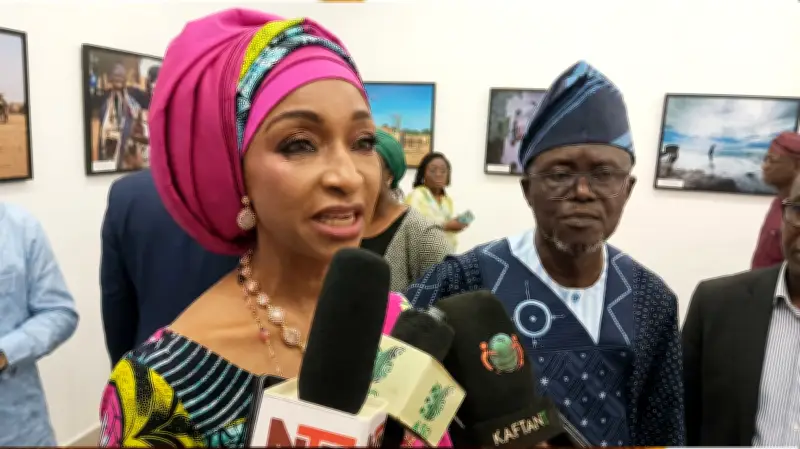
During the Creatives Night Engagement in Abuja, which coincided with WIPO Director-General Daren Tang’s official visit, a range of stakeholders from government and industry discussed how intellectual property (IP) can be a powerful driver of economic growth and creator empowerment. Minister of Arts, Culture, Tourism, and the Creative Economy, Hannatu Musa Musawa, characterised CLIP as a valuable resource that will help musicians and other creatives easily access information on protecting and monetising their works.
“CLIP is a gateway to practical and actionable knowledge on copyright, royalties, and fairness,” Musawa explained, adding that initiatives like these will be promoted across Nigeria’s diverse states and creative communities. She pointed out that global trade in intellectual property is projected to reach $1.2 trillion by 2025, highlighting that a robust IP framework is essential for transforming creative talents into tangible economic benefits.
“We are already generating ideas; the pressing question is who reaps the rewards from them?” she emphasised, noting the government’s commitment to closing the gap between creativity and financial returns. Musawa also mentioned the National Intellectual Property Policy and Strategy developed in collaboration with WIPO, describing it as a comprehensive guideline to reconceptualise intellectual property as a commercial asset that attracts investment and job creation.
In 2022, Nigeria’s creative and cultural industries contributed approximately N2.53 trillion to the economy, with the music sector alone accounting for N613 billion, demonstrating the sector’s significant value. WIPO Director-General Daren Tang commended Nigeria’s standing as a global cultural and innovation leader, citing the international acclaim of Afrobeats and Nollywood, alongside the robust startup ecosystem flourishing in the country.
“Nigeria is rich in talent,” Tang remarked. “What is needed is an intellectual property system that empowers rather than exploits.” He underscored the potential of Nigeria’s youthful population, dynamic creative sector, and innovative landscape, positioning the country to thrive under a more inclusive IP regime. Tang highlighted WIPO’s mission to transform intellectual property from a specialised legal jargon into a tool for job creation, investment, and prosperity, especially in developing regions like Africa, Asia, and Latin America.
The director-general also pointed out the vital importance of safeguarding traditional knowledge and cultural heritage within the global IP framework, referencing a recent international treaty focused on genetic resources and traditional knowledge. Both Tang and Musawa emphasised the necessity for creators to recognise and harness the commercial value of their work, encouraging them to take proactive steps in protecting it.
“You are not just cultural workers; you are also pivotal economic contributors,” Musawa urged artists, musicians, and innovators to register and safeguard their creations. This gathering reflects ongoing efforts by WIPO and the Federal Government to enhance collaboration on intellectual property, support the creative industry’s development, and foster innovation-driven economic growth in Nigeria.
The secretary of the Society of Nigerian Artists (SNA), Rowland Goyit, praised the event, highlighting that as an artist and cultural practitioner, he views intellectual property as vital for the advancement and protection of the visual arts. He explained that IP grants artists the legal and moral authority over their creations, preventing unauthorised use and ensuring they can benefit from their work.
Goyit further articulated that strong IP protections enable artists to pursue sustainable careers through various revenue streams, including sales, licensing, royalties, commissions, and collaborations. This framework not only promotes originality and professional confidence but also strengthens the wider creative economy by attracting investment, supporting galleries and cultural institutions, and preserving indigenous artistic knowledge and cultural heritage for future generations.