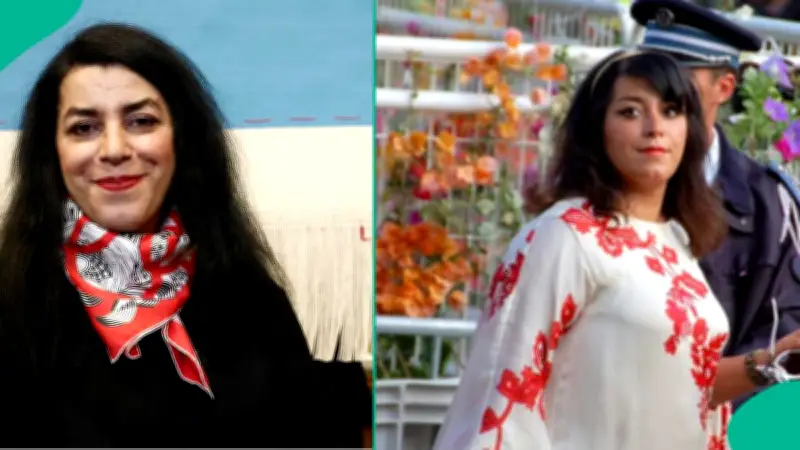
Marjane Satrapi, the celebrated French-Iranian writer, illustrator, and filmmaker best known for her groundbreaking graphic novel Persepolis, has reportedly passed away at the age of 56. The news was confirmed in a family statement released on Thursday, June 4, and reported by news agency AFP. According to the statement, Satrapi died a little over a year after the death of her husband, Swedish producer and filmmaker Mattias Ripa, who passed away in April 2025. The loss of her partner profoundly affected the renowned artist, who had frequently spoken about the deep emotional bond they shared.
A Life Marked by Loss and Creativity
Following the death of her husband, Satrapi was said to have struggled with immense grief while continuing to honor his memory. In a heartfelt tribute posted after his passing, she wrote: For I have lost the love of my life. Determined to keep his legacy alive, she established the Mattias and Marjane Ripa-Satrapi Cinema Foundation, an initiative designed to support foreign students pursuing film studies in Paris.
The Birth of Persepolis
Born in Rasht, Iran, in 1969 and raised in Tehran, Satrapi grew up during the turbulent years of the 1979 Islamic Revolution. Her childhood experiences under strict social and political conditions later became the foundation of her most famous work, Persepolis. The graphic novel, first published in French in 2000, chronicles her journey from childhood in Iran to adolescence in Europe after her parents sent her to Vienna at the age of 14. The work was later compiled into a single volume and translated into over 30 languages, earning international awards and widespread critical acclaim.
Global Impact and Cultural Legacy
With its bold black-and-white illustrations and deeply personal storytelling, Persepolis became a global reference point for understanding Iranian society, exile, and identity through the lens of memoir and art. Beyond literature, Satrapi's work reshaped how graphic novels were perceived, elevating them into a respected form of literary and cinematic expression. She was also known for her activism and cultural contributions, including initiatives supporting young filmmakers and cross-cultural exchange. Her death marks the end of a remarkable creative journey, but her influence will continue to inspire generations.