Political Cartoon Ignites National Conversation on Governance
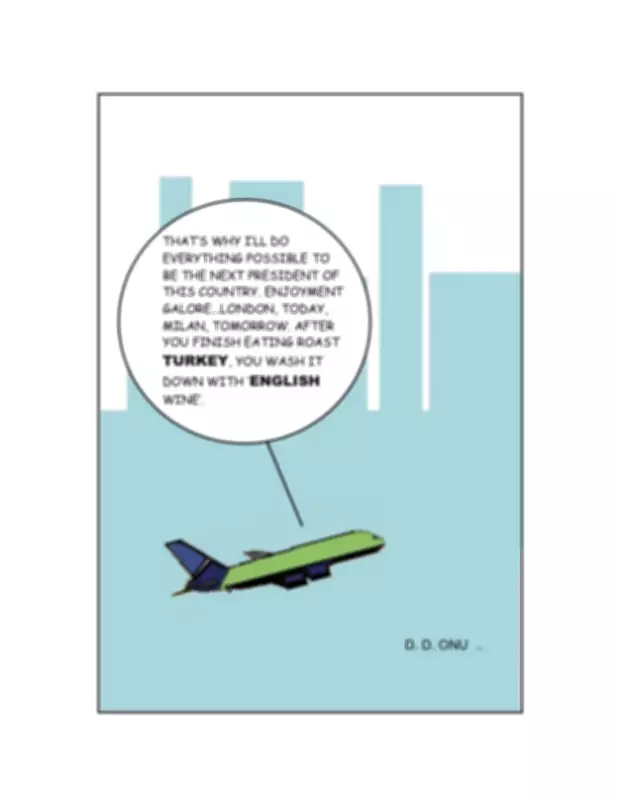
A recent political cartoon published in Nigeria has sparked widespread debate and discussion across the country, highlighting the power of satire in addressing governance and public sentiment. The cartoon, which critiques current leadership and societal issues, has resonated with many citizens, drawing attention to the role of media in shaping political discourse.
Cartoon Content and Themes
The cartoon depicts various political figures and scenarios that reflect ongoing national challenges, such as corruption, economic struggles, and security concerns. Through exaggerated imagery and witty captions, it offers a sharp commentary on the state of affairs in Nigeria, encouraging viewers to reflect on governance and accountability.
Key elements of the cartoon include:
- Satirical portrayals of government officials and policies.
- References to recent events and public grievances.
- Use of humor to critique serious issues like inefficiency and public service delivery.
Public and Media Reactions
The cartoon has elicited mixed reactions from the public and media outlets. Many Nigerians have praised it for its boldness and relevance, seeing it as a voice for common citizens who feel unheard. Social media platforms have been abuzz with discussions, with users sharing the cartoon and debating its messages.
However, some critics argue that such cartoons can oversimplify complex issues or fuel negativity. Despite this, the overall response underscores the cartoon's impact in fostering dialogue on governance and societal values.
Role of Satire in Political Discourse
This incident highlights the importance of satire in Nigerian political discourse. Cartoons and other forms of satire serve as tools for:
- Holding leaders accountable through public scrutiny.
- Raising awareness about pressing national issues in an accessible way.
- Encouraging civic engagement and critical thinking among citizens.
In a democracy, such expressions contribute to a vibrant public sphere, where diverse opinions can be aired and debated. The cartoon's popularity suggests a growing appetite for media that challenges the status quo and promotes transparency.
Broader Implications for Nigerian Society
The debate sparked by this cartoon extends beyond mere entertainment, touching on deeper societal themes. It reflects:
- Public frustration with governance and desire for change.
- The evolving role of media in Nigeria, where satire is increasingly used to critique power.
- How art and humor can bridge gaps in political communication, making complex issues more relatable.
As Nigeria navigates various challenges, from economic reforms to security threats, such cartoons remind us of the power of public opinion in shaping national narratives. They encourage citizens to stay informed and engaged, fostering a culture of accountability and dialogue.