Prominent Cleric Rev Ezekiel Dachomo Addresses Health Speculations
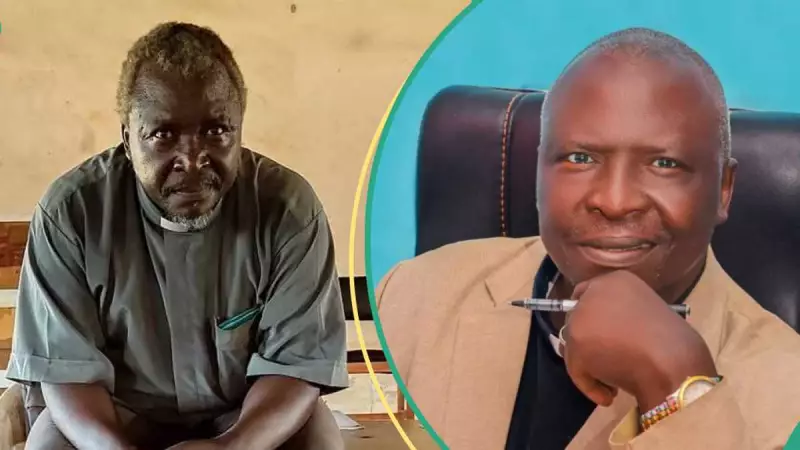
Rev Ezekiel Dachomo, a respected cleric and vocal advocate against the killing of Christians in Plateau State, has publicly responded to widespread rumours concerning his health status. In a recent video statement, the religious leader firmly dismissed claims that he had passed away or was critically ill, asserting his vitality and ongoing ministry work.
Direct Response to Circulating Rumours
Addressing the speculation directly through social media platforms, Rev Dachomo stated emphatically: "Some of you said that I'm dead. I'm alive, I'm not dead. Some of you said they have flown me abroad and about to die with sickness. I am alive." He continued with determination, "Some of you that have cooked up that I'm finished. I'm still alive and I'm going to perform today the latest warrior in the name of the Father, the Son, and the Holy Spirit. Amen."
Background of Health Concerns
The concerns about Rev Dachomo's wellbeing emerged following a call for prayers by Plateau State journalist Masara Kim Usman. Usman had urged Christians across Nigeria to intercede for the cleric, whom he indicated was battling a relapse of liver disease and might require urgent medical treatment overseas. This development comes after Rev Dachomo underwent a successful liver transplant procedure in India during early 2025, with his wife reportedly donating the organ.
Following his recovery and return to Nigeria, Rev Dachomo intensified his advocacy efforts against what he describes as systematic violence targeting Christians in Plateau State. His outspoken position has made him one of the few religious leaders consistently raising this issue publicly, despite official government denials regarding the existence of Christian genocide in Nigeria.
Medical History and Current Status
The cleric, who serves as Regional Chairman of the Church of Christ in Nations (COCIN) in Barkin Ladi Local Government Area, was previously diagnosed with liver cancer, necessitating the surgical intervention. After the successful operation, he shared an emotional video expressing gratitude to God and acknowledging the support and prayers received during his recovery period.
According to journalist Masara Kim Usman, Rev Dachomo's persistent advocacy work, combined with alleged intimidation and pressure from those who deny Christian persecution in Nigeria, may have contributed to health challenges. Usman noted in recent weeks that the cleric has been less vocal than during late 2025, suggesting possible health-related limitations.
Public Reactions and Support
Nigerians have responded with overwhelming support and prayers for Rev Dachomo across various social media platforms:
- User pretty_petite_lisa commented: "The only true man of God in Nigeria ❤️?."
- wonder_nma expressed: "Jesusssss he looks so strong and healthy."
- igbotoons noted: "And he is standing with the recent victims again!!!!"
- sunshinee.e___ affirmed: "Yes o! No one can kee who God hasn’t approved to dle!!"
- bisgel23 prayed: "More strength in Jesus name sir ???❤️❤️??."
Additional supportive messages highlighted the cleric's resilience and importance within the Christian community, with many drawing parallels to biblical figures and expressing confidence in his continued ministry.
Broader Context of Advocacy Work
Rev Dachomo's health concerns emerge within the context of his significant advocacy against violence targeting Christians in Plateau State. His willingness to address these sensitive issues publicly has earned him respect as one of the most fearless religious leaders in the region. The timing of these health rumours coincides with ongoing tensions and security challenges in Plateau State, where intercommunal violence has periodically erupted.
This situation underscores the complex intersection of health, faith, and social advocacy within Nigeria's religious landscape, particularly in regions experiencing persistent security challenges.