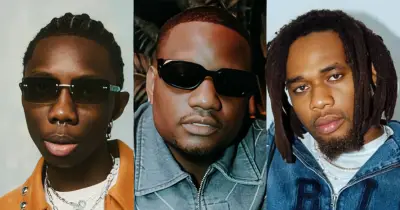
Content Creator Alado Issues Public Apology to Governor Dapo Abiodun Following Road Criticism Controversy
A Nigerian content creator known as Alado has broken his silence and issued a public apology to Ogun State Governor Dapo Abiodun, following a viral video where he harshly criticized the state's dilapidated road network. The controversy erupted after Alado's initial outburst, which was met with a stern warning from the governor about potential consequences for critics.
Governor's IDP Camp Warning Sparks Concern
Governor Dapo Abiodun responded to online critics of his administration with a veiled threat, suggesting that individuals attacking his government could find themselves relocated to Internally Displaced Persons camps. While the governor did not mention Alado by name in his initial comments, social media users quickly connected his warning to the content creator's viral criticism of Ogun State's poor infrastructure.
"Certain critics were sponsored to tarnish my image," Governor Abiodun alleged in his widely circulated response video, though he provided no specific evidence to support this claim.
Security Concerns and Forced Apology
Unconfirmed reports circulated online claiming that security operatives, including officers from the Department of State Services and the Nigeria Police Force, had laid siege to Alado's residence following the viral video. Some social media users alleged the content creator had gone into hiding, though these reports remain unverified by official sources.
In his apology video, Alado explained that his frustration stemmed from repeated damage to his vehicle caused by Ogun State's poor road conditions during his visits. "I would like to apologise for the way I addressed you in the video," Alado stated directly to Governor Abiodun. "I said everything that I said out of frustration because my car was damaged due to bad road the two times I visited the state."
Denial of Sponsorship Allegations
The content creator firmly denied allegations that he was paid or sponsored to criticize the Abiodun administration. "I will also deny that I was paid to attack your administration," Alado declared in his apology video, attempting to distance himself from the governor's claims of coordinated opposition.
Despite his apology, Alado maintained that he was exercising his democratic right to voice grievances. "First, let me say that I am not afraid of being arrested because we voted you to make our grievances known," he asserted, demonstrating a complex mix of defiance and contrition.
Social Media Reactions to the Controversy
The apology sparked mixed reactions across social media platforms:
- Taiwo Oluwashegun Holawale criticized Alado: "To cut the long story short, you sha don later come back come beg..... You are a very stupid fellow."
- Adebayo Olufemi defended the content creator's initial criticism: "For goodness sake. When has it become crime to say the truth. All what the guy said is truth."
- @Husaen Agbesinga Bakiyyatu Salaf commented on the broader implications: "But to say the fact is important to train who lack home training, not bcs of today is bcs of tomorrow."
Broader Context of Ogun State Infrastructure Criticism
This incident follows previous criticism of Governor Abiodun's administration regarding infrastructure and emergency response capabilities. Earlier this year, activist Adetoun publicly condemned what she described as Ogun State's poor emergency healthcare response following a fatal road accident involving world-renowned boxer Anthony Joshua.
The activist alleged that the state lacks functional ambulances and often depends on neighboring Lagos State during critical health situations, highlighting broader concerns about infrastructure and public services in Ogun State.
The controversy surrounding Alado's criticism and subsequent apology raises important questions about freedom of expression, government accountability, and the relationship between public officials and citizens in Nigeria's digital age. As content creators gain increasing influence, their interactions with political authorities continue to evolve in complex and sometimes contentious ways.