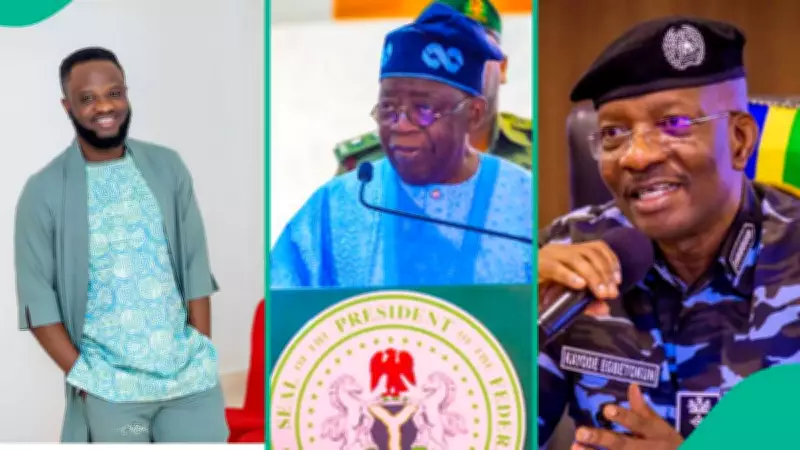
Comedian Dee-One Remains Defiant Following Police Summons Over Presidential Comments
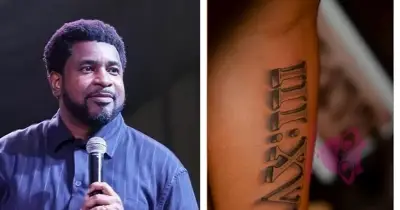
Popular Nigerian comedian and former Big Brother Naija housemate Aderombi Adedayo Martin, widely known as Dee-One, has taken a firm stance after confirming his invitation by the Nigeria Police Force's Force Intelligence Department in Lagos. The entertainer revealed that the summons, scheduled for Monday, came in response to a viral video he posted online addressing President Bola Ahmed Tinubu's recent fall during a state visit to Turkey.
Police Invitation Linked to Viral Commentary
Dee-One disclosed that the police invitation was directly connected to his now widely circulated video clip in which he spoke to President Tinubu's son, Seyi Tinubu. In the controversial footage, the comedian urged Seyi to advise his father "to go and rest," using the president's stumble in Turkey as a broader talking point about physical fitness and leadership capacity. Dee-One drew comparisons with the late former president Umaru Musa Yar'Adua while maintaining that his message stemmed from genuine concern rather than mockery.
The comedian has made it clear that he intends to honor the police invitation but will not retract his words or offer any apology for expressing his opinion. He emphasized that speaking truth to power represents an essential part of his role as both a public commentator and entertainer, adding that citizens should not be silenced by fear when addressing matters of national importance.
Public Reactions and Free Speech Concerns
Dee-One's unwavering position has sparked significant attention across Nigeria, with many viewing the situation as a critical test of free speech boundaries within the current political climate. Social media platforms have been flooded with diverse reactions to the unfolding drama, reflecting the polarized nature of public discourse surrounding presidential commentary.
Several social media users have weighed in on the controversy:
- One commenter stated: "If you didn't say anything wrong then you shouldn't fear honoring the police invitation since you know you're not guilty of defamation."
- Another user noted: "They should have served you a court letter when you chose not to use your voice for the country's betterment."
- A third reaction suggested: "This might be just the beginning of similar cases involving public figures who speak on sensitive political matters."
As of the latest reports, the Nigeria Police Force has not officially confirmed the specific reasons behind Dee-One's invitation, leaving room for speculation about whether this represents a routine procedure or a more targeted response to his commentary. The situation has reignited ongoing debates about the limits of acceptable criticism toward public officials in Nigeria's democratic space.
Broader Context of Celebrity Activism
This incident occurs against a backdrop of increasing celebrity involvement in political discourse within Nigeria. Entertainment figures have gradually expanded their influence beyond traditional performance roles to become significant voices in national conversations about governance, leadership, and social responsibility.
The Dee-One case particularly highlights the delicate balance between freedom of expression and respect for national institutions, raising important questions about how entertainers navigate their dual roles as both celebrities and civic commentators. This development follows other recent instances where Nigerian celebrities have faced consequences for their political statements, suggesting a growing pattern of official scrutiny toward high-profile commentary on governmental matters.
Observers note that the outcome of this police invitation could set important precedents for how similar cases are handled in the future, potentially influencing the willingness of other public figures to engage in political commentary. The entertainment community and free speech advocates are closely monitoring developments, recognizing that this situation extends beyond individual celebrity drama to touch upon fundamental democratic principles.