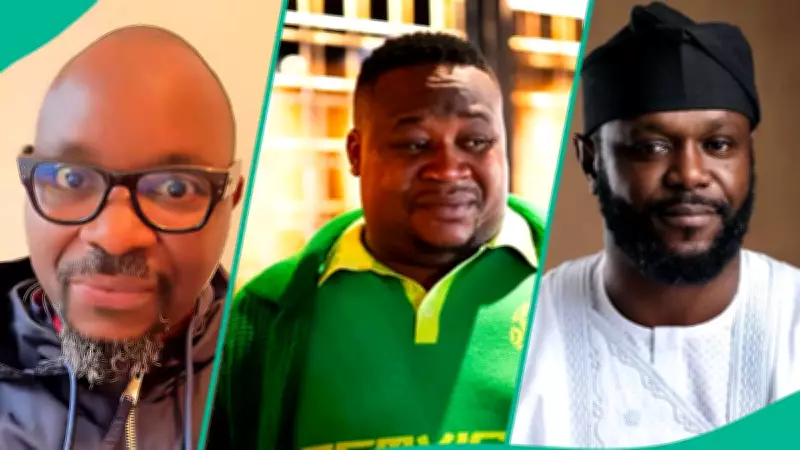
Isaac Fayose Condemns City Boys Movement Event in Imo State
Former Ekiti State governor Isaac Fayose has launched a scathing critique of the recent City Boys Movement tour in Owerri, Imo State, which featured prominent figures including businessman Pascal Okechukwu, popularly known as Cubana Chiefpriest, and Seyi Tinubu, son of President Bola Tinubu. The event, which was documented in a video shared by Cubana Chiefpriest, has sparked significant political controversy and public debate.
Fayose Questions Political Motives and Security Deployment
In his reaction, Fayose raised pointed questions about the nature of the gathering, asking whether it constituted an early campaign event or a potential breach of electoral laws. He expressed particular concern over the extensive security presence deployed for the tour, noting that it appeared to exceed the protection typically afforded to ordinary residents of Owerri. "If you know you are popular, you shouldn't need that kind of security in the state," Fayose asserted, highlighting what he perceived as an unnecessary display of force.
Doubts About Tinubu's Electoral Prospects in Imo
Fayose also cast doubt on the political effectiveness of the tour, specifically questioning the level of support President Tinubu could expect to garner in Imo State. "With all the Cubanas in Owerri and Igboland, Tinubu will not get more than 20% of the votes in the state," he declared. This statement reflects broader skepticism about the ruling party's appeal in the southeastern region, where infrastructure challenges such as electricity shortages and fuel scarcity remain pressing issues for residents.
Context of the City Boys Movement Tour
The Owerri event featured Cubana Chiefpriest alongside his associate Obi Cubana and Seyi Tinubu, with Chiefpriest explaining his shift in political support from Peter Obi to Tinubu. This explanation has drawn mixed reactions from the public, with some viewing it as a genuine political realignment and others questioning its motivations. The tour included the distribution of items to attendees, adding a charitable dimension to what many observers interpreted as a politically charged gathering.
Online Reactions and Public Response
Fayose's comments have ignited a wave of reactions across social media platforms, with users expressing diverse opinions on the political implications of Tinubu's visit and Fayose's critique. Some supporters of the City Boys Movement defended the event, while others echoed Fayose's skepticism about its impact. The debate has highlighted the ongoing political tensions and regional dynamics as Nigeria approaches future electoral cycles.
Broader Political Context and Fayose's Stance
This incident occurs against the backdrop of Fayose's continued political activism, including his recent support for Abia State governor Alex Otti and his warnings against the return of previous administrations in the state. His criticism of the Owerri tour aligns with his broader pattern of challenging political establishments and advocating for accountability, particularly in regions facing significant developmental challenges.
The controversy underscores the complex interplay between celebrity influence, political campaigning, and public perception in contemporary Nigerian politics. As figures like Cubana Chiefpriest and Seyi Tinubu engage in high-profile tours, reactions from political veterans like Fayose highlight the enduring significance of grassroots concerns and electoral expectations in shaping political discourse.