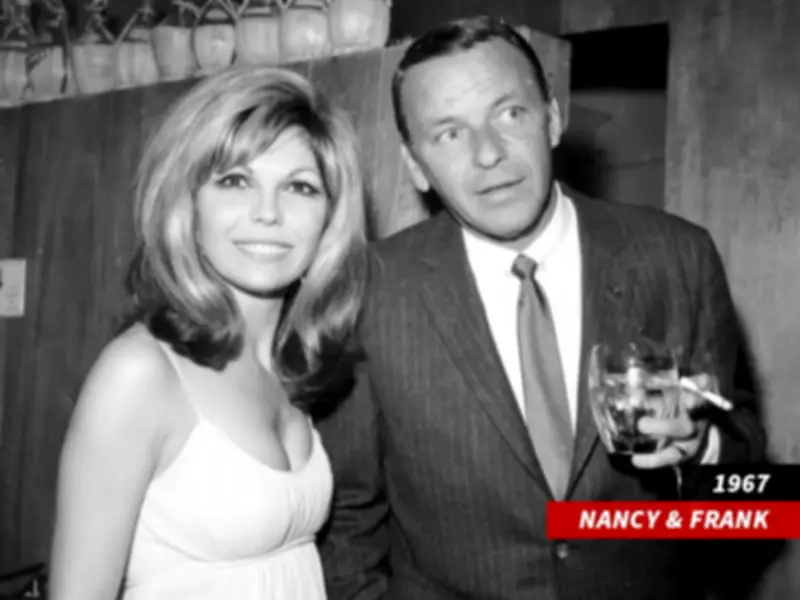
Nancy Sinatra Condemns Donald Trump for Sharing Frank Sinatra's 'My Way' Performance
Nancy Sinatra has publicly criticized former President Donald Trump after he posted a video of her late father, the legendary singer Frank Sinatra, performing the iconic song "My Way" on his social media platform, Truth Social. The post, which featured the nearly four-minute clip without any caption or explanation, has sparked widespread online speculation and debate about its intended meaning.
Sinatra's Strong Reaction on Social Media
Reacting swiftly on X, Nancy Sinatra expressed her clear frustration, labeling the use of her father's performance as a sacrilege. In her post, she wrote, "This is a sacrilege," directly addressing the unexpected and unauthorized sharing of the video. When a user inquired if there was any way to have the video removed from Truth Social, she responded, "Unfortunately, no. The only people who can do something are the publishers." This highlights the limitations in controlling content once it is disseminated on such platforms.
Alignment with Frank Sinatra's Views
Nancy Sinatra further reinforced her stance by supporting comments from fans who suggested that Frank Sinatra would not have aligned with Trump's political views. She emphasized her long-held position that her father, known for his own strong opinions and legacy, would not have been a supporter of Trump. This adds a personal and familial dimension to the controversy, underscoring the emotional impact of the post on the Sinatra family.
Online Debate and Speculation
The video post has garnered significant attention across social media, with users and commentators engaging in heated discussions over why Trump chose to share the clip and what message, if any, he intended to convey. The lack of context has led to various interpretations, ranging from political statements to personal reflections, fueling ongoing speculation and analysis in online forums and news outlets.
This incident not only highlights the intersection of entertainment and politics but also raises questions about the use of cultural icons' legacies in modern political discourse. As the debate continues, it underscores the powerful role of social media in shaping public perception and the challenges of intellectual property in the digital age.