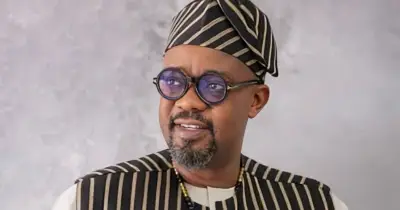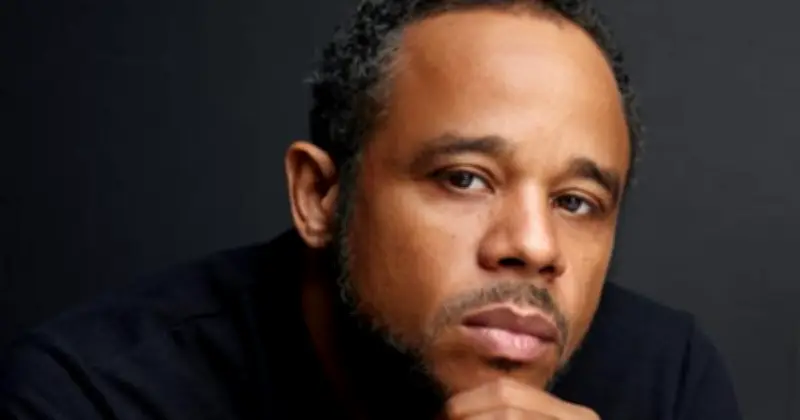
The influencer debate in Nigeria has reached a fever pitch, with brands and creators clashing over value, pay, and expectations. Samuel Onyemelukwe, Managing Director of Trace Anglophone West Africa, delves into the complexities of this issue, which reflects the growing pains of the nation's creator economy.
The Core of the Conflict
Last week's controversy around influencers, rates, and brand expectations was both intriguing and revealing. Depending on which side of the internet you landed on, influencers were either overpaid, entitled youth with ring lights, or brands were exploitative corporations looking for cheap access to culture. Everyone had screenshots and hot takes, suddenly becoming marketing experts overnight.
Beneath the sarcasm, bad belle, quote tweets, and passive-aggressive threads lay a real conversation about where Nigeria's creator economy is heading.
Influencers Deserve to Make Money
First things first: influencers absolutely deserve to make money. Some of the best creators have spent years building their audiences while traditional media executives watched with folded arms. They posted consistently for free, burned through data bundles, entertained millions, took social risks, survived endless algorithm changes, and built communities from their bedrooms, cars, kitchens, hostels, salons, and every corner of Lekki, Surulere, or Kafanchan.
Now brands want access to that attention and relevance but do not want to pay. All that hard work, attention, and cultural relevance has real value. In many ways, influencers became the media channels of a digital-first generation while traditional media companies were still sitting in conference rooms discussing digital strategy.
This is where the conversation becomes uncomfortable for some in media. You spend years building a media company—offices, studios, satellites, staff, compliance systems, advertising structures, distribution deals, budgets, and endless meetings. Then suddenly, a 24-year-old with a phone, consistency, charisma, and vibes pulls numbers comparable to an entire media platform.
The Shift in Media Dominance
While media practitioners paid attention and followed their favorite influencers, many dismissed creators as unserious when it came to real media work. Once the numbers became too big to ignore, they started trying to copy and paste them into traditional media formats. Meanwhile, audience attention quietly migrated.
The internet democratized content creation and distribution, changing one thing fundamentally: people stopped following institutions alone. They started following personalities. Slowly, creators became the beginning of a major shift in media dominance—not the end of traditional media, but certainly the beginning of a new reality.
Collaboration Over Competition
The biggest lesson in this new landscape is that it is not just filled with competitors but also collaborators. The smartest organizations have stopped seeing creators as threats and started seeing them as partners. At the same time, the smartest creators will stop dismissing traditional media as old school and start understanding the importance of structure, infrastructure, distribution, monetization, and long-term scalability.
Because virality may get attention, but systems are what keep businesses alive. That is the bigger conversation hidden underneath last week's influencer debate.
Nigeria's creative economy can no longer survive on raw talent, viral moments, or chaotic clout-chasing alone. The next phase belongs to creators, companies, and platforms that can combine cultural relevance with institutional-grade execution, intellectual property discipline, and sustainable monetization systems.
The Need for Balance
Finding a delicate balance is crucial. The entire system still depends on rawness. A company cannot create virality; it can only create an environment where creativity thrives. Then it must trust the talent. The memes, experimentation, chaos, energy, ridiculousness, and clout-chasing are essential. Culture has never been born in boardrooms first. It usually starts messy before structure arrives later to organize it.
Many adults still think young people are just scrolling funny videos, but that interpretation misses the point. Social media has evolved into a fully immersive social environment where young people build identity, discover music, develop fashion tastes, learn slang, flirt, network, argue politics, find communities, build careers, market businesses, form opinions, create status, and increasingly make money.
To many young people, social media is no longer simply an app; it functions more like a living digital society: part hostel, part marketplace, part group chat, part talent show, part street corner, and part entertainment hub, all happening simultaneously in real time. Because young audiences are so deeply immersed, they can instantly detect when a brand enters the space awkwardly or inauthentically. That is why forced influencer campaigns fail so publicly.
Gen Z and Monetization
Interestingly, Gen Z audiences are not anti-advertising. In fact, they are often far more accepting of monetization than older generations. Secure the bag is practically an economic policy. What they reject is opportunism—campaigns that feel disconnected from internet culture, creators who suddenly sound like corporations, or brands trying to sound cool by saying No cap.
Many companies rushed into influencer marketing simply because everybody was following influencers. No strategy, no audience understanding, no behavioral insight—just vibes, follower counts, and panic. That was always going to end badly. Because visibility is not the same thing as influence. A creator can have two million followers and drive almost no commercial behavior, while another with eighty thousand deeply engaged followers can quietly generate massive conversions because their audience trusts them.
Professionalism and Expectations
Creators also need to understand that once you start charging premium rates, expectations naturally change. You are no longer just posting; you become part of a company's marketing infrastructure. That means even as the biggest, most trending creator, you now have a boss and all that comes with it: communication, deadlines, audience insights, and reporting matter. Professionalism matters. Too many creators want media-company money with freelancer-level systems and structure.
The next decade will belong to creators who understand business, not just content—creators who understand data, contracts, intellectual property ownership, audience psychology, partnerships, community building, long-term positioning, and monetization beyond advertising deals. Globally, the biggest creators are no longer functioning as influencers alone; they are becoming media companies, production studios, consumer brands, talent ecosystems, and even investment vehicles. Nigeria is moving in that direction too.
Which is why this current influencer debate actually matters. It is not just Twitter noise. It is a sign that Nigeria's creator economy is entering its professional era—messily, loudly, emotionally, very Nigerianly, but inevitably.