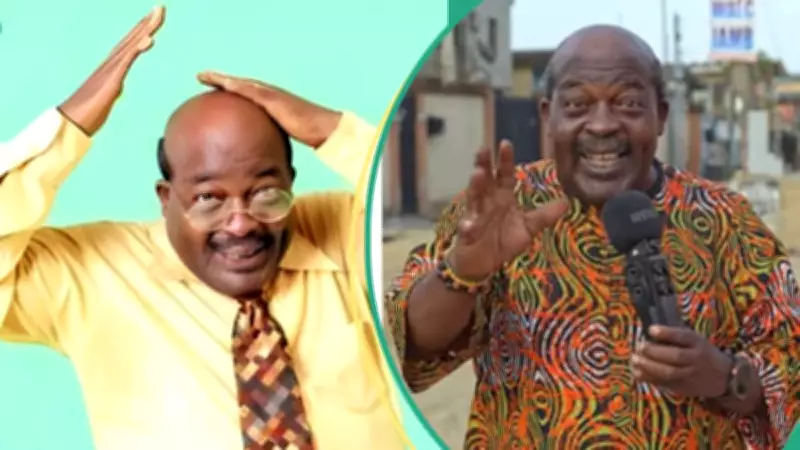
Papa Ajasco Opens Up About Meager Earnings from Iconic Comedy Role
Veteran Nigerian actor Abiodun Ayoyinka, widely recognized by his stage name Papa Ajasco, has publicly disclosed the surprisingly low amount he earns per episode for portraying the beloved character that made him a household name across Nigeria. The revelation came during a candid interview with media personality Lucky Udu, where Ayoyinka shared details about his compensation from the long-running comedy series created by producer Wale Adenuga.
The Shocking Payment Structure Revealed
According to Ayoyinka, when the Papa Ajasco show first began production years ago, he was paid a mere ₦22,500 per episode. While the actor acknowledged that this amount has seen slight increases over time, the fundamental payment structure has remained largely unchanged. "Just take for instance, they are paying me about ₦45,000 per episode... sometimes ₦60,000 per episode now," he explained during the interview.
The veteran performer further clarified that the series typically records between 12 and 13 episodes annually, meaning actors receive payment only for episodes produced during that specific period. This limited production schedule significantly impacts their overall annual income from the show.
Restrictions and Financial Struggles Despite Fame
Ayoyinka also discussed the significant challenges he faces despite decades of popularity from the iconic role. He revealed that the Papa Ajasco character is officially registered by Wale Adenuga, creating legal restrictions that prevent him from freely using the name, costume, or identity for other commercial opportunities without explicit permission.
"That character is a very strong character. Anyone that wants to use me outside wants me as Papa Ajasco, but I cannot use the name or costume without permission," the actor lamented. This limitation has made it difficult for him to secure potential endorsement deals and personal appearances that could supplement his income.
The financial reality has been harsh for the veteran entertainer. "I don't have a car of my own. I don't have a house of my own," Ayoyinka disclosed, highlighting how life has remained financially challenging even after achieving nationwide recognition through television fame. The actor previously worked with the Lagos State Council for Arts and Culture before retiring approximately five years ago.
Online Reactions and Public Debate
The revelation sparked widespread conversations across social media platforms, with many Nigerians expressing shock and concern about the compensation levels for such an iconic performer. Various commentators offered different perspectives on the situation:
- One user provided historical context: "If you know what N22,000 was in 1997, you will not pity anyone. N22,000 per episode for 52 episodes in 1997 alone... In 1997, Cement was N250, Bread was N5, 1 liter of Fuel was N11, Bag of Rice was N1,500."
- Another commenter criticized broader systemic issues: "They deliberately pay low wages in Nigeria to keep the people dependent on them. They justify paying low wages with bad economy of the country."
- Several supporters suggested practical solutions: "The only way to help this man is to create a YouTube channel for him, guide him on how to make his funny videos and post. He already has the name and fame."
- Many expressed emotional support: "This guy made our childhood fun please let's support him...he deserves it." and "This man right here kept us all glued to our TVs!"
Broader Industry Context and Implications
The disclosure has raised important questions about compensation practices within Nigeria's entertainment industry, particularly for veteran performers who helped build the foundation of popular television content. Ayoyinka's situation highlights the complex relationship between character ownership, performer rights, and fair compensation in creative industries.
While the Papa Ajasco character remains one of Nigeria's most recognizable comedy figures, the actor behind the persona continues to navigate financial limitations despite the character's enduring popularity. The interview has prompted discussions about how entertainment industries can better support foundational talents who contributed significantly to cultural landmarks.
The conversation extends beyond individual circumstances to broader considerations about intellectual property rights, performer compensation models, and the long-term sustainability of careers in Nigeria's creative sectors. As audiences continue to engage with classic content, questions remain about how to ensure fair treatment for the artists who created these cultural touchstones.