The first modern UK citizenship ceremony took place in Brent, London, on February 26, 2004, marking a shift from private oaths to public celebrations. Before this, naturalisation was a largely administrative process, with applicants making oaths privately and receiving certificates by post. This article traces the evolution of British citizenship ceremonies from their pre-2004 origins to the present day.
Early Naturalisation: Private Acts of Parliament and Oaths
Before 1844, becoming naturalised in Britain generally required a private Act of Parliament. This process was expensive, meaning relatively few people could afford it. Applicants were also required to take formal oaths, including oaths of allegiance. There was no town hall ceremony, no mayor presenting certificates, and no group photographs.
The British Nationality Act 1948, which came into force on January 1, 1949, introduced the status of Citizen of the United Kingdom and Colonies (CUKC) while retaining the broader status of British subject and Commonwealth citizen. This was a significant period as Commonwealth countries developed their own citizenship laws and the British Empire underwent major transformation.

The 1981 Act and the Road to Ceremonies
The British Nationality Act 1981 received Royal Assent on October 30, 1981, with main provisions taking effect on January 1, 1983. It replaced CUKC status with three forms of citizenship: British citizenship, British Dependent Territories citizenship, and British Overseas citizenship. British citizenship was designed for people with a close connection to the UK, including the Channel Islands and Isle of Man.
Despite this legislative framework, there was still no modern citizenship ceremony. Before 2004, new citizens made an oath or affirmation of allegiance privately, before an authorised witness, and their certificate was sent by post.
The Nationality, Immigration and Asylum Act 2002 and the First Ceremony
The foundation for the modern ceremony was laid by the Nationality, Immigration and Asylum Act 2002, which amended the 1981 Act to require adults being registered or naturalised as British citizens to make a citizenship oath and pledge at a ceremony. The change added a citizenship pledge alongside the traditional oath, focusing on loyalty to the UK, respect for rights and freedoms, democratic values, obedience to the law, and the responsibilities of citizenship.
The requirement applied to applications made from January 1, 2004. The first ceremony was held in Brent on February 26, 2004, attended by King Charles, then Prince of Wales. The Home Office described the ceremony as part of an effort to enhance the experience of becoming a British citizen and give new citizens a greater appreciation of rights and responsibilities.
What Citizenship Ceremonies Look Like Today
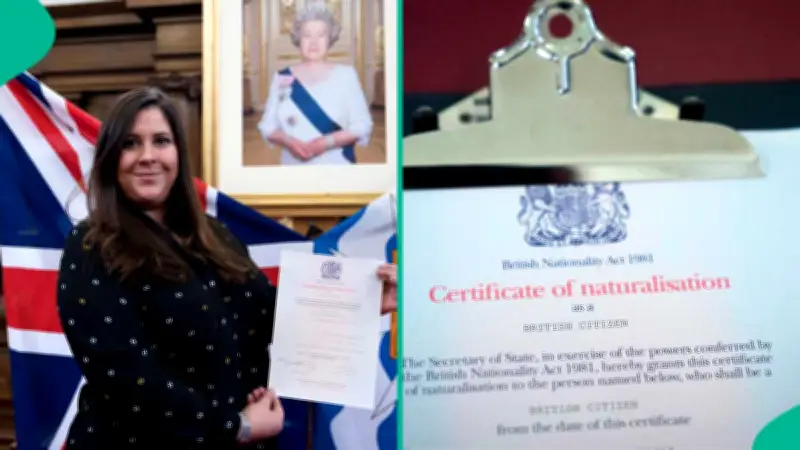
Under current rules, adults aged 18 or over who successfully apply for British citizenship generally attend a ceremony organised by their local authority. Ceremonies are usually held in groups, though private ceremonies can be arranged. New citizens make an oath of allegiance or affirmation followed by the citizenship pledge, then receive their certificate.
The occasion often has a civic and celebratory atmosphere, with local authorities sometimes involving mayors, dignitaries, music, and family members. The format varies by local authority. From private oaths to public welcomes, the ceremony transforms a legal change of nationality into a memorable moment, representing years of immigration, work, and building a life in Britain.