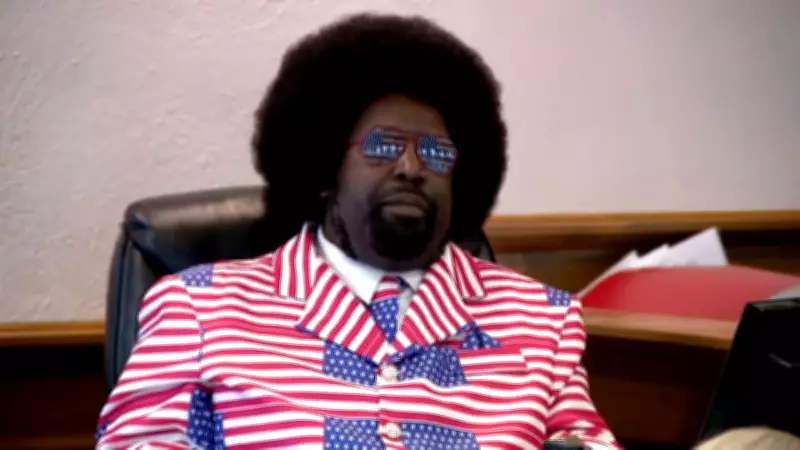
Court Clears Rapper Afroman of Defamation Over Police Raid Videos
A jury in Ohio has delivered a significant ruling, clearing rapper Afroman of defamation and privacy invasion claims brought by sheriff's deputies over his viral music videos. The case centered on content that mocked a 2022 raid on his home, with the artist successfully arguing that his work was protected under free speech as satirical entertainment.
Background of the Legal Dispute
The legal battle stemmed from an incident in August 2022, when deputies from the Adams County Sheriff's Office executed a search warrant at Afroman's residence. The raid was conducted in connection with allegations of drug trafficking and kidnapping, but notably, no charges were filed following the search. In response, Afroman, whose real name is Joseph Foreman, posted footage of the raid online and transformed it into multiple music videos, including the widely viewed track "Lemon Pound Cake."
These videos not only criticized the raid but also featured exaggerated and offensive portrayals of the officers involved. The deputies subsequently filed a lawsuit, claiming that the content caused reputational damage and emotional distress, arguing that it crossed the line into defamation.
Afroman's Defense and Court Arguments
During the trial, Afroman and his legal team mounted a robust defense, emphasizing that his content was clearly satirical and constituted artistic expression. He described the lyrics as exaggerated entertainment rather than factual claims, asserting his right to free speech. "After they run around my house with guns and kick down my door... I have the right to use my freedom of speech and turn my bad times into a good time," Afroman told the court.
His lawyers compared the videos to other controversial works in music culture, arguing that they were protected under legal precedents for parody and satire. They maintained that the content could not reasonably be interpreted as statements of fact, a key point in defamation cases.
Jury's Decision and Implications
The jury ultimately sided with Afroman, ruling that he did not defame the seven deputies involved. They found that the videos were satirical in nature and thus protected under free speech laws. This ruling marks a notable victory for the rapper and reinforces legal protections around satire, parody, and artistic expression in the United States.
The decision underscores the importance of distinguishing between factual claims and exaggerated entertainment in defamation cases. It also highlights the ongoing tension between law enforcement actions and public criticism through artistic mediums, setting a precedent for similar disputes in the future.
As Afroman continues his career, this case serves as a reminder of the robust protections afforded to free speech, particularly in the realm of music and satire. The outcome may encourage other artists to explore controversial topics without fear of legal repercussions, provided their work is framed as artistic expression rather than factual assertion.