NAFDAC Sounds Alarm Over Circulation of Fake Cancer Medications
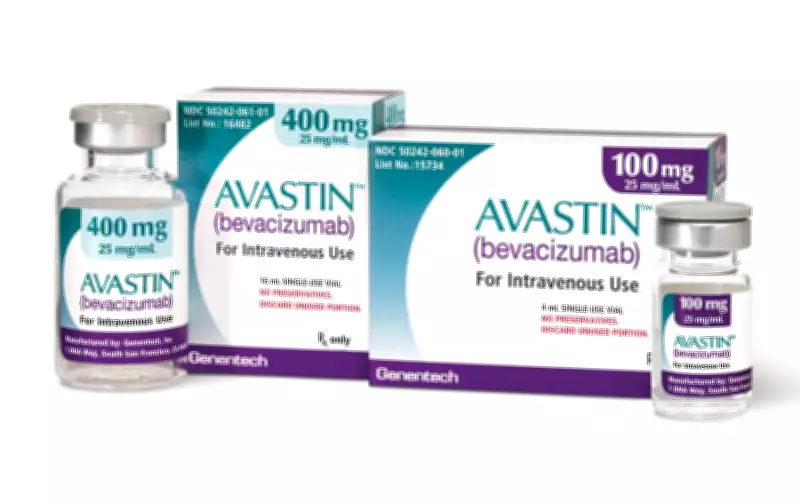
The National Agency for Food and Drug Administration and Control (NAFDAC) has issued a critical public alert, warning Nigerians about the dangerous circulation of counterfeit cancer medicines across the country. The agency specifically identified fake batches of Avastin 400mg/16ml (Bevacizumab) and Tecentriq 1200mg/20ml (Atezolizumab) as being in active distribution, posing a severe threat to patient health and safety.
Official Alert and Source of Information
In an official statement, NAFDAC confirmed it is "notifying healthcare professionals and the public of confirmed counterfeit batches" of these vital oncology drugs. This warning was prompted by direct communication from Roche Nigeria, the Marketing Authorization Holder (MAH), which reported receiving multiple complaints from healthcare professionals nationwide regarding suspected fake products. The alert highlighted that patients had presented these medicines at hospitals after purchasing them at suspiciously low prices, ranging between N180,000 and N350,000, which raised immediate red flags.
Investigation Findings and Packaging Discrepancies
Upon investigation, Roche Nigeria compared complaint samples to genuine retained samples, uncovering clear evidence of counterfeit packaging materials. NAFDAC detailed several key discrepancies found in the fake medicines, including batch numbers that do not match authentic records, poor printing quality, incorrect text placement, and inconsistent serialisation and tamper-evident labels. Specific counterfeit batches identified include:
- Avastin with batch numbers H4239A70, H2290A34, and A3508B02
- Tecentriq with batch number B3071A12
The agency noted that a full chemical analysis could not be conducted because the investigation relied solely on packaging photographs submitted by complainants, with no physical samples available for testing.
Severe Health Risks and Agency Actions
NAFDAC emphasized the grave dangers associated with these counterfeit oncology drugs, stating they "may contain incorrect or no active ingredients, harmful contaminants, or incorrect dosage strength." The use of such fake medications could lead to "treatment failure, disease progression, serious adverse events, or death," underscoring the critical nature of this alert. In response, the agency has directed its zonal directors and state coordinators to intensify surveillance efforts and actively work to remove these counterfeit products from circulation.
Public Vigilance and Reporting Channels
The agency strongly urged importers, distributors, healthcare professionals, and patients to exercise extreme vigilance and to source medicines only from authorised and reputable suppliers. NAFDAC also encouraged the public to report any suspected cases of counterfeit drugs through its official channels, emphasizing the importance of community involvement in combating this dangerous threat to public health.