The World Health Organisation has issued a powerful call to action, urging governments worldwide to significantly enhance their financial commitments and collaborative efforts toward eliminating cervical cancer. This urgent appeal comes as the global health body emphasizes that sustained, coordinated action is absolutely critical to ending this preventable disease.
Three Pillars of Cervical Cancer Elimination
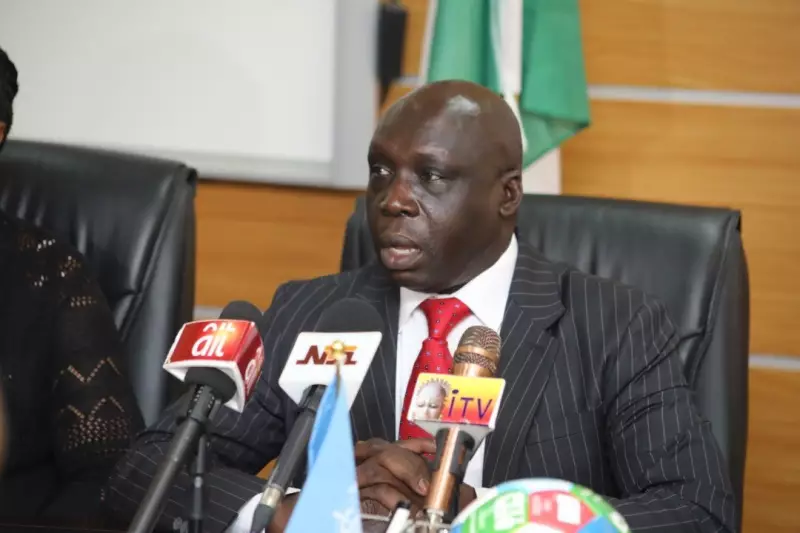
During the recent World Cervical Cancer Elimination Day 2025 observances, WHO Regional Director for Africa, Dr Mohamed Janabi, clearly outlined the path forward. The global strategy rests on three essential pillars: vaccination, screening, and treatment. Dr Janabi stressed that eliminating cervical cancer demands long-term investment and well-coordinated action involving governments, global partners, communities, and individuals working together.
"On this World Cervical Cancer Elimination Day, we celebrate the progress African countries are making toward a future free of cervical cancer," Dr Janabi declared. "We renew our shared commitment to ensure that no woman dies from a preventable disease."
African Region Making Significant Strides
The WHO provided encouraging statistics about the growing momentum across the African Region. Thirty-two Member States have successfully introduced HPV vaccination into their national immunization plans, reaching nearly half of all eligible girls. Several additional countries have rolled out the vaccine this year, with at least eight more nations planning similar introductions in 2026.
Dr Janabi emphasized the profound impact of these vaccination programs, noting that "each of these introductions represents protection against both a virus and against loss, suffering, and lives cut short too soon."
Despite these encouraging developments, cervical cancer remains one of the most common and deadly cancers affecting women throughout Africa. The tragic reality is that this disease is largely preventable with existing tools and interventions.
Call to Action for Member States
The WHO has called on all Member States to accelerate their national efforts by:
- Scaling up HPV vaccination programs to reach more girls
- Expanding access to routine screening services
- Ensuring timely treatment for all women in need
These interventions are particularly crucial for low- and middle-income countries where the cervical cancer burden remains unacceptably high. The organization further emphasized that women's health and rights must be placed at the center of universal health coverage initiatives.
The WHO reiterated that no country can successfully eliminate cervical cancer without prioritizing gender equity and making healthcare truly accessible to all women. With stronger funding commitments and improved coordination among all stakeholders, cervical cancer could become the first cancer ever to be eliminated worldwide.
The message from the global health body is clear: the tools for prevention and treatment exist, but now requires determined action and investment to make them accessible to every girl and woman, everywhere.