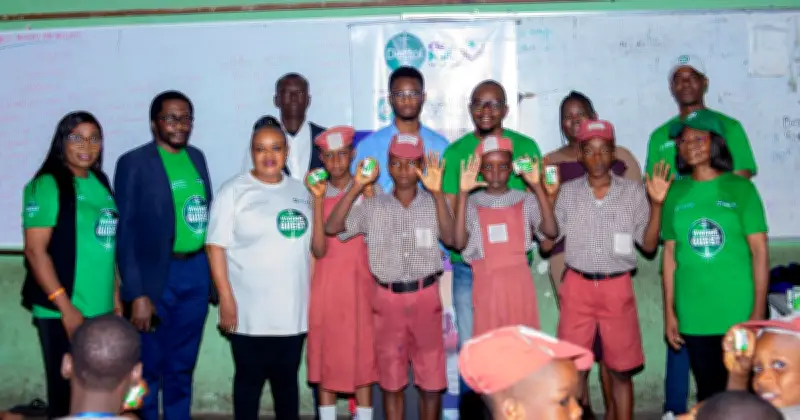
Dettol Nigeria and the Wellbeing Foundation Africa have officially launched Phase 3 of the Dettol Hygiene Quest, an initiative aimed at reaching over 840,000 beneficiaries in 2026 through comprehensive hygiene education, handwashing advocacy, and community health programmes. The launch event took place at Eko Akete Junior Secondary School in Lagos Island, where students participated in interactive handwashing demonstrations and received Dettol antibacterial soaps along with educational materials to promote healthy hygiene habits.
Expanding the Clean Naija Initiative
The Dettol Hygiene Quest is implemented under the Clean Naija Initiative, which targets reaching 6 million schoolchildren by 2030. The programme focuses on promoting proper handwashing and hygiene education to increase handwashing rates by 20%, reduce diarrhoea cases by 10%, and decrease school absenteeism linked to hygiene-related illnesses. Since its inception, the initiative has impacted over 440,000 beneficiaries across 716 schools, 36 healthcare facilities, and 456 communities nationwide, instilling lifelong hygiene habits among children, mothers, families, and community members.
Phase 3 Goals and Strategies
Phase 3 builds on previous successes by expanding into new geographic areas and deepening reach in communities with the greatest need for hygiene education. The programme plans to engage more than 750,000 students and 90,000 pregnant and new mothers through behavioural change programmes designed to promote sustainable hygiene standards. It will also reinforce awareness about proper handwashing and the use of trusted hygiene solutions like Dettol Original Antibacterial Bar Soap, which provides up to 12 hours of protection against germs. Through school, community, and healthcare engagements, the initiative aims to encourage sustainable hygiene behaviours among children, caregivers, and families.
Partnership and Impact
Cassandra Uzo-Ogbugh, Head of External Affairs, Media, and Partnerships at Reckitt, represented by Toluwase Abikoye, Brand Manager for Dettol, stated that the programme is crucial for creating lasting impact beyond the classroom. A third-party evaluation of Phase 2 showed a decline in reported communicable disease symptoms among students by 9.3% in Abuja, 12.3% in Lagos, and 15.7% in Kwara, along with reductions in school absenteeism. The Wellbeing Foundation Africa's President, Princess Toyin Ojora Saraki, represented by Dr Osinachi Onyeoziri, emphasised that hygiene education is vital for improving health outcomes and encouraged students to become advocates for good hygiene practices.
Community and Future Outlook
The flag-off ceremony concluded with students equipped with practical hygiene knowledge and renewed confidence to champion healthy habits in their schools, homes, and communities. This reinforces the programme's broader goal of nurturing a generation of hygiene-conscious Nigerians. The partnership between Dettol and the Wellbeing Foundation Africa continues to drive measurable progress in hygiene education across the country.