Nigeria Emerges as Global Epicentre of Sickle Cell Cases in Children, Study Finds
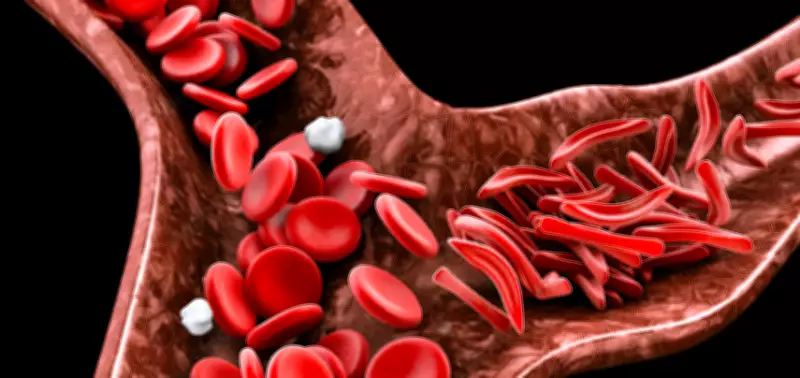
A recent international study has revealed that Nigeria now bears the world's highest burden of sickle cell disease among children, with more than 1.5 million cases recorded in individuals under the age of 15. The findings, published in The Lancet Child & Adolescent Health, position Nigeria ahead of other high-burden nations such as the Democratic Republic of the Congo and Ethiopia, underscoring a critical public health challenge.
Alarming Statistics and Regional Impact
Across sub-Saharan Africa, the study estimates that nearly nine million children are living with sickle cell disease, many of whom are under five years old and face a high risk of early death without proper medical care. Lead author Davies Adeloye of Teesside University described the situation as both alarming and urgent, warning that Nigeria is now at the centre of a growing global health crisis. This highlights the severe implications for child mortality and long-term health outcomes in the region.
Preventable Complications and Healthcare Gaps
Despite the severity of sickle cell disease, experts note that many of its complications can be prevented through relatively simple and affordable interventions. These include early newborn screening, routine immunisation, malaria prevention, and access to medications such as Hydroxyurea. However, access to these essential services remains a major hurdle in Nigeria. In many parts of the country, diagnosis often occurs late—sometimes only after severe complications have already developed—largely due to gaps in primary healthcare services and inadequate infrastructure.
Call for Integrated Care and Improved Systems
The study advocates for a shift in approach, urging authorities to integrate sickle cell care into routine maternal and child health programmes. According to the researchers, this integration could significantly improve survival rates and reduce preventable deaths among children. They also emphasised the need for stronger data systems and better disease tracking, noting that improved screening at birth alone could dramatically lower the country's disease burden. By enhancing these aspects, Nigeria could make substantial progress in managing the condition effectively.
Nigeria's Role in Leading a Regional Response
With its position as the global epicentre of sickle cell disease, the report concludes that Nigeria has both the responsibility and the opportunity to lead Africa in building an effective, scalable response to the condition. This involves not only addressing immediate healthcare needs but also fostering awareness, research, and policy changes to combat the disease on a broader scale. The findings serve as a call to action for stakeholders to prioritise child health and implement sustainable solutions to mitigate the impact of sickle cell disease across the continent.