Benue State Confirms 383 Suspected Lassa Fever Cases with 47 Positive Infections
The Benue State Government has announced a significant increase in suspected cases of Lassa fever, with health authorities confirming ongoing efforts to contain the outbreak. Commissioner for Health and Human Services, Paul Ogwuche, revealed that suspected cases have risen to 383, with 47 confirmed positive cases.
The total number of deaths has reached 14 since the outbreak began, although no new fatalities have been recorded in the past 11 days. Ogwuche stated: "We have not recorded any mortality in the last 11 days. So far, the cumulative figure of suspected cases has moved from 251 to 383, while 47 cases are confirmed cumulatively."
Detailed Breakdown of Current Situation
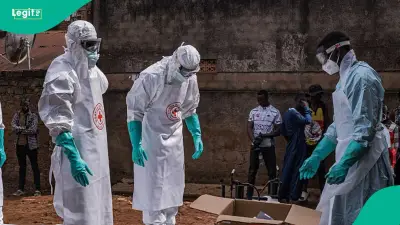
Providing further details, he noted that laboratory testing over the last 11 days confirmed only six new positive cases, indicating a slowdown in the spread of the disease. Currently, 20 patients are receiving treatment in isolation centres, including 14 at the Benue State University Teaching Hospital and six at the Federal Medical Centre Makurdi.
The State Epidemiologist, Msuega Asema, had earlier reported 251 suspected cases, 45 confirmed infections, and 10 deaths in February, showing an increase in overall figures but improved control measures in recent weeks.
Factors Contributing to Improved Control
Ogwuche attributed the decline in mortality and slower spread to intensified public health interventions and collaboration with key partners, including the World Health Organization, Nigeria Centre for Disease Control, and Médecins Sans Frontières.
He said: "The rates have dropped drastically because we are actively combing for suspected cases... We have engaged in regular meetings with WHO, NCDC, and the Emergency Operations Centre."
According to him, surveillance is ongoing across all 23 local government areas, with health workers trained in infection prevention and control, helping to limit further transmission. He added: "The pillars we put in place, sensitization and health education, have accounted for this development. People now know what to do and what they should avoid."
Importance of Early Detection and Response
The commissioner emphasised early detection and response as key to improving outcomes. "So the earlier a patient presents, the better the outcome. The low mortality shows that people are being tracked in their communities and brought in for early treatment," he said.
He also noted that the state government has provided funding to support response efforts and that no outbreak has been recorded in internally displaced persons (IDP) camps. "Everyone is on their toes, doing the needful... We are on the verge of distributing informational materials (flyers) to the 15 IDP camps in the state," Ogwuche added.
Understanding Lassa Fever
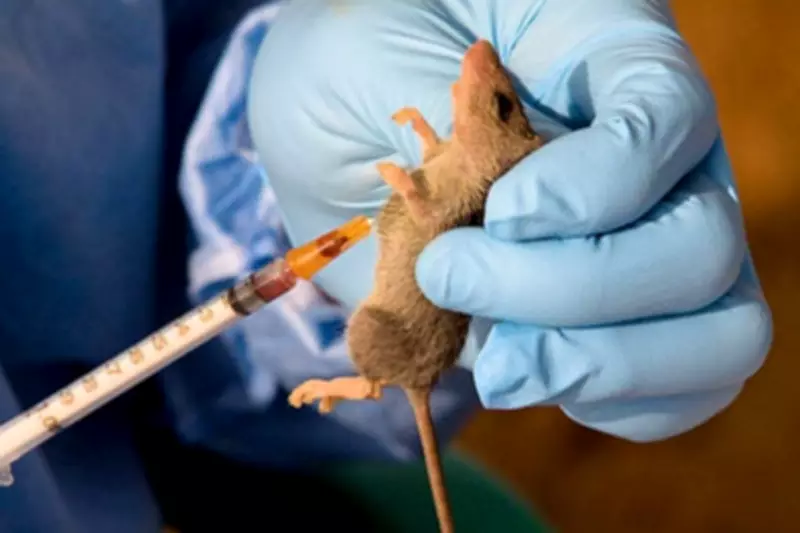
Lassa fever is a serious viral disease endemic to West Africa, primarily transmitted through contact with food or household items contaminated by infected rodents. The disease presents with symptoms including fever, weakness, headache, and in severe cases, bleeding from various body parts.
Health authorities continue to monitor the situation closely and urge residents to maintain proper hygiene practices and report any suspected cases immediately to designated health facilities.