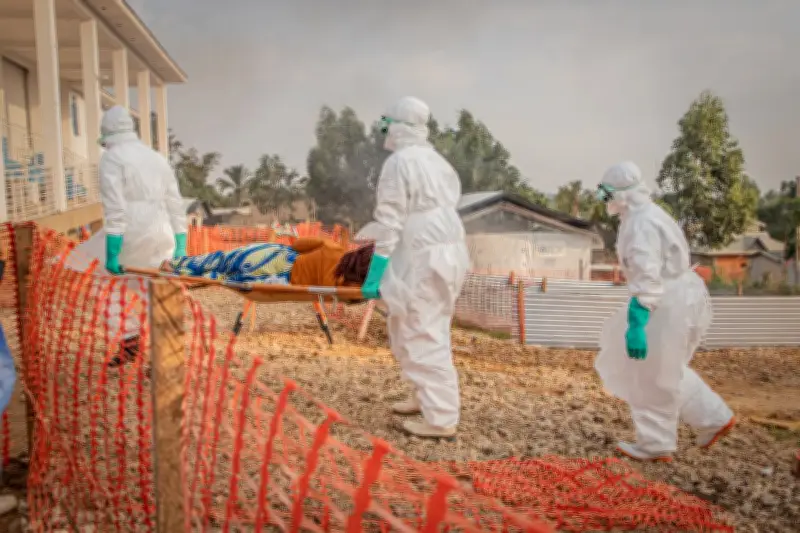
The Ebola outbreak in West Africa has worsened significantly, with the fatality rate now topping 46% and the World Health Organization warning that the situation is nearing pandemic levels. According to the latest WHO report, the outbreak has claimed 1,200 lives out of 2,600 confirmed cases, marking a sharp increase in mortality over the past two weeks.
Fatality Rate Surge and Case Spread
The fatality rate has risen from 38% to 46.2% in just 10 days, according to Dr. Matshidiso Moeti, WHO Regional Director for Africa. "This is the highest fatality rate we have seen in any Ebola outbreak since 2014," Moeti said in a press briefing on Friday. The outbreak, initially concentrated in Guinea, has now spread to Liberia, Sierra Leone, and Côte d'Ivoire, with 14 new cases reported in the past 24 hours.
Health officials have confirmed that the virus is spreading faster than previous outbreaks, with the average number of new cases per day rising from 12 to 22 over the past week. The WHO has classified the outbreak as a Grade 3 emergency, the highest level, and has activated its emergency response framework.
Pandemic Level Concerns and International Response
The WHO has warned that the outbreak could reach pandemic level if containment measures are not intensified. "We are at a critical juncture," said Dr. Tedros Adhanom Ghebreyesus, WHO Director-General. "The virus is moving across borders, and we need a coordinated international response to prevent a global health crisis."
In response, the African Union has deployed 200 health workers to the affected regions, and the United Nations has released $15 million from its Central Emergency Response Fund. The Nigerian government has also heightened surveillance at all entry points, with the Nigeria Centre for Disease Control activating its Emergency Operations Centre.
The outbreak has overwhelmed local healthcare systems, with hospitals in Guinea reporting a 300% increase in patient admissions. The WHO has warned that the shortage of personal protective equipment and medical supplies is hampering containment efforts.
Impact on Communities and Next Steps
The outbreak has disrupted daily life in affected areas, with schools closed in three Guinean prefectures and markets shut down in parts of Liberia. The WHO has advised against travel restrictions but has urged countries to enhance screening at borders.
Vaccination campaigns have been launched in Guinea, with 50,000 doses of the Ebola vaccine administered so far. However, the WHO says that at least 200,000 doses are needed to cover high-risk populations across the region. The next steps include scaling up surveillance, contact tracing, and community engagement to curb the spread of the virus.