The India-Africa Forum Summit, originally scheduled for next week in New Delhi, has been postponed due to the emerging public health situation in Africa, specifically the Ebola outbreak. India's foreign ministry and the African Union (AU) jointly announced the decision yesterday, citing the need to ensure full participation of African leaders and stakeholders.
The summit, planned for May 28 to 31, 2026, was called off following discussions about the evolving health situation on the continent. A joint statement from the Indian Ministry of External Affairs and the AU emphasized that holding the summit at a later date would be advisable. No further details were provided regarding the specific health concerns.
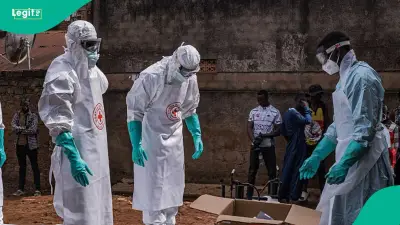
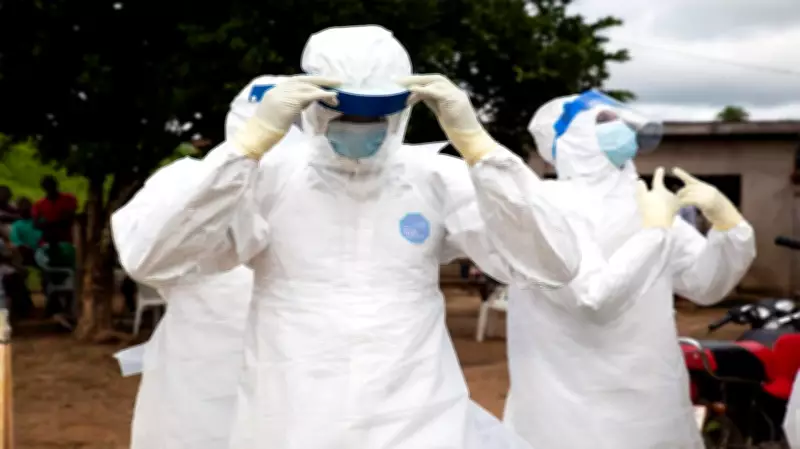
The postponement comes as the first Ebola case was confirmed in the Democratic Republic of Congo's South Kivu province, an area controlled by the Rwanda-backed AFC/M23 militia. The World Health Organization (WHO) has declared the outbreak an international emergency. The DRC's ongoing conflicts, including clashes between the Congolese army and AFC/M23, have hindered efforts to contain the deadly hemorrhagic disease.
According to the WHO, this is the 17th Ebola outbreak in the DRC, a vast central African nation of over 100 million people. The outbreak is suspected to have caused 139 deaths out of nearly 600 probable cases.
In Nigeria, the Nigeria Centre for Disease Control and Prevention (NCDC) has assured the public that there is no need for panic, as the country has the capacity to combat the virus. Dr. Biodun Ogunniyi, Head of Health Emergency Preparedness at the NCDC, stated during an interview on Channels Television's 'The Morning Brief' that fear can be more harmful than the disease itself.
Dr. Ogunniyi highlighted Nigeria's experience in handling Ebola, noting that the country successfully contained the 2014 outbreak within 70 days, earning global commendation. He emphasized that Nigeria's health system is now better prepared, with improved laboratory capacity and a network of laboratories across the country, including national reference laboratories in Abuja and Lagos. The current outbreak involves the Bundibugyo Ebola virus strain, which was first identified in 2007, giving Nigeria prior knowledge to enhance preparedness.
The NCDC has activated its Public Health Emergency Operation Centre to coordinate response efforts. The agency remains vigilant and ready to detect and respond to any potential cases promptly.