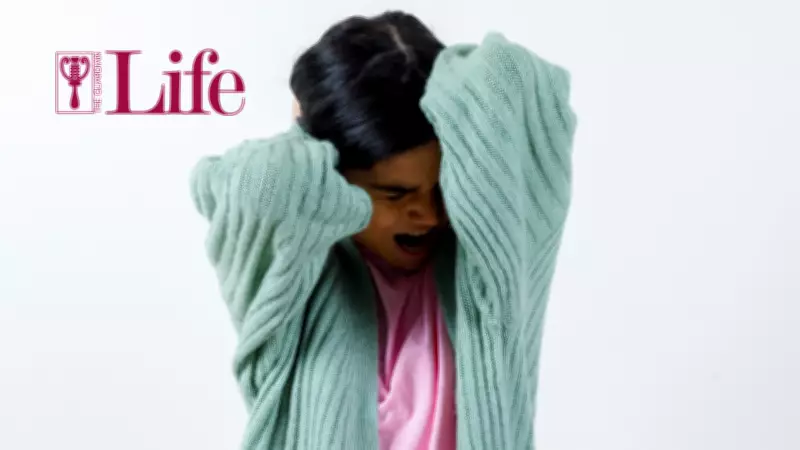
Women, are you okay? Silent emotional battles many now hide need to know. 40% of Gen Z women globally reported experiencing prolonged sadness or emotional distress multiple times. One in six young Nigerians aged 15 to 24 often feels depressed. Frequent studies show that depression and anxiety affect women at disproportionately higher rates than men. Mental health experts warned that untreated emotional burnout in women can develop into depression, anxiety disorders and substance misuse.
Personal Stories of Emotional Exhaustion
At 1:12 am inside Yaba in Lagos, Tolu Adebisi stayed awake, with emails waiting to be replied to in her inbox and a half-edited video with her ring light beside her bed. Earlier that evening, the 28-year-old content creator had posted smiling pictures from a restaurant in Lekki, where followers praised her beauty, consistency and “soft life.” But behind the polished photos and cheerful captions, Tolu was emotionally exhausted.
“There are days I cry before posting content. But because my work depends on visibility, I still show up online even when I am mentally tired,” she told Guardian Life. Tolu explained that social media worsened the pressure because everybody online appeared successful, happy and financially stable. “You open Instagram, and everybody looks like they have figured life out. Meanwhile, you are struggling with bills, deadlines and emotional stress privately,” she said.
Pressure to Marry at 30
For 30-year-old banker Ifeoma Nwankwo, the emotional pressure came from home. Every family visit eventually became another conversation about marriage. Her mother constantly reminded her that she was “not getting younger,” while aunties and family friends repeatedly introduced her to men during weddings and social gatherings. Turning 30 changed the way people around her treated her.
“My mother started sending pictures of men almost every week. At some point, it felt like my career achievements no longer mattered because I was not married,” she said. Ifeoma admitted that the repeated pressure affected her emotionally and made her question herself constantly.
Caught Between Work and Motherhood
For 33-year-old marketing executive Chioma Eze, the struggle was balancing career growth with motherhood. After giving birth to her daughter in 2024, she returned to work six months later. Since then, she said life had become a cycle of office deadlines, sleepless nights and emotional exhaustion.
“At work, I feel guilty for not spending enough time with my child. At home, I feel guilty for thinking about work all the time,” she said. Chioma added that raising a child in Nigeria’s difficult economy increased the emotional burden many women already carried privately. “People keep saying women are strong, but honestly, many women are tired,” she said.
What the Numbers Show
Beyond personal stories, available data have shown that emotional distress among young people, especially women, is becoming harder to ignore. A 2024 Ipsos World Mental Health Day report found that Gen Z women were the most likely group globally to report repeated periods of sadness or hopelessness. According to the report, 40 per cent said they had experienced prolonged emotional distress multiple times.
A UNICEF and Gallup survey found in Nigeria that one in six young Nigerians between 15 and 24 often felt depressed, anxious or emotionally distressed. The report also showed that many young Nigerians felt intense pressure to succeed socially and financially. Studies frequently show that depression and anxiety affect women at disproportionately higher rates than men. The World Health Organisation (WHO) has also warned that emotional disorders, including anxiety and depression, continue to affect millions globally, especially among young adults and women.
Why Women’s Mental Health Burden Is Rising
Mental health experts say the emotional burden many women carry today is becoming heavier because they are expected to succeed professionally, support families, manage homes, navigate relationships and still appear emotionally stable despite personal struggles.
Mental health nutritionist Jane Ibude said many women continue appearing successful publicly while privately battling emotional exhaustion, sadness and emptiness. “From the outside, everything looks fine. They meet deadlines, show up for work, and even maintain social lives, but internally, they are dealing with overwhelming pressure, fatigue, sadness, and a sense of emptiness,” she said. Ibude added that the combination of financial pressure, social expectations and personal ambition had created emotional exhaustion for many women. “When you combine financial stress with societal expectations and personal ambitions, it becomes overwhelming,” she said.
Consultant psychiatrist Prof Kingsley Okonoda said the pressure on modern women had increased because many now carry multiple responsibilities. “For many women today, burnout has become normalised. Common signs and symptoms include constant emotional exhaustion, loss of joy in previously meaningful activities, chronic fatigue, irritability and anger, emotional numbness, feeling unappreciated, difficulty concentrating, anxiety and overthinking, increased crying spells, withdrawal from relationships, social isolation, feeling disconnected from people, apathy, and lack of motivation,” he said.
When Exhaustion Becomes Dangerous
Okonoda warned that prolonged emotional exhaustion could gradually develop into more serious mental health conditions if left unchecked. “If burnout is not checked on time, it can progress into mental health conditions such as depression, anxiety disorders, and substance misuse. Social consequences may include relationship conflict, poor job performance, compassion fatigue and physical health consequences,” he said.
Clinical psychologist Dr Miracle Ihuoma said many women had normalised emotional suffering because society often praised them for enduring pressure quietly, although younger generations are becoming more open about mental health. “There is a good level of awareness now. Gen Z and Generation Alpha are not as quiet as older generations used to be,” he said.
According to him, emotional silence remained more common among older women who grew up in environments where expressing pain was discouraged. “For people in my older generation, part of millennials as well, they have censored their voice just because of what people in society would tell them, and endured a lot of their sufferings, emotional and even physical,” he said. Ihuoma warned that treating emotional exhaustion as normal life could damage women’s mental health over time. “You can’t see emotional exhaustion as normal life, because it is not normal. And when you see that as normal life, it is going to take its toll on you and on your mental health,” he said.
A psychiatrist, Motunrayo Oyelohunnu, said hormonal changes linked to menstruation, pregnancy and menopause also contributed to the rise in emotional distress among women. “Nature already puts women at a biological disadvantage when it comes to mental health. Their hormones, especially oestrogen and progesterone, directly affect mood regulation. During menstruation, pregnancy and menopause, these hormonal changes make women more vulnerable to emotional distress,” she said.
For psychiatrist Dr Gbonjubola Abiri, many women carry a “multi-layered pressure load” across work, family and society. “Emotional burnout is more common in women as they carry multi-layered pressure load from the diverse roles they try to fill at home, at work and in society. There is a lot of pressure on women to succeed professionally, manage households, support family, both nuclear and extended and remain emotionally regulated,” she said.
Abiri said women dealing with burnout often experience irritability, anxiety, sleep disturbance, emotional numbness, resentment and feelings of emptiness. “To manage emotional burnout effectively, women must learn to rest without feeling guilty, put in place healthy boundaries, have supportive communities and ensure they make their mental and physical health a priority,” she said.
Why Women Need Stronger Support
Experts called for stronger emotional support systems, open conversations around women’s mental health and better access to mental healthcare services. They said families should stop reducing women’s lives to marriage, childbirth or public appearance, while workplaces should create room for rest, flexibility and mental health support.
How to Manage Emotional Burnout
Experts said recovery from emotional burnout requires more than temporary rest. It involves a change in mindset and the creation of a lifestyle that supports women’s emotional well-being.
Normalise Rest
Rest should not be seen as laziness. It is an important part of psychological maintenance.
Encourage Emotional Expression
Women need psychologically safe spaces where they can express pain, anger, disappointment and exhaustion without fear of judgment.
Set Healthy Boundaries
Women should be able to say no to demands that drain their emotional and physical energy without feeling guilty. Not every demand deserves access to a woman’s time, mind or emotions.
Share Responsibilities
Emotional, domestic and family responsibilities should not fall on women alone. Shared responsibility helps reduce pressure and emotional overload.
Reconnect with Self
Women should make time to reconnect with their identity, purpose, creativity, spirituality and personal interests.
Seek Professional Support
Therapy, counselling, coaching, mentorship and supportive communities can help women process emotional overload and rebuild psychological resilience. There is no shame in getting help.
Musa Adekunle Guardian Life