Lassa Fever Outbreak Intensifies Across Nigeria
The Lassa fever outbreak in Nigeria has taken a severe turn, with the death toll climbing from 99 to 109 fatalities within just one week. This represents a significant escalation compared to earlier periods in 2026, according to the latest data from the Nigeria Centre for Disease Control and Prevention.
Healthcare Workers Face Growing Threat
Medical professionals are increasingly vulnerable, with at least 37 healthcare workers contracting the virus in the first nine weeks of 2026. Alarmingly, six new infections were reported in a single week, underscoring the occupational hazards faced by frontline responders.
The NCDC's situation report indicates that deaths from the ongoing outbreak have surged by approximately 45% over two weeks, reaching the current total of 109 fatalities. The Case Fatality Rate now stands at 23.2%, which is notably higher than the 18.7% recorded during the same period in 2025.
Geographic Spread and Demographic Patterns
The outbreak has now extended to at least 18 states across Nigeria, affecting 69 local government areas. Five states account for the majority of confirmed cases:
- Bauchi State: 28% of confirmed cases
- Ondo State: 22% of confirmed cases
- Taraba State: 19% of confirmed cases
- Benue State: 9% of confirmed cases
- Edo State: 8% of confirmed cases
Collectively, these five states represent 86% of all confirmed Lassa fever cases in Nigeria. The remaining 14% are distributed across 13 other states with confirmed infections.
Demographic analysis reveals that individuals aged 21 to 30 years constitute the most affected age group. The gender distribution shows approximately 0.8 females affected for every male confirmed with the illness.
Response Measures and Ongoing Challenges
The NCDC has implemented several measures to combat the outbreak, including:
- Conducting a national press briefing on the disease
- Disseminating updated infection prevention and control guidelines
- Activating incident management systems in Kebbi, Kano, and Gombe states
- Conducting high-level field missions to Bauchi State
- Holding quality data meetings with high-burden states
Despite these efforts, significant challenges persist. The NCDC has identified several obstacles to effective outbreak control:
- Delayed presentation of patients for medical care
- Treatment cost barriers preventing timely healthcare access
- Poor sanitation conditions in affected areas
Understanding Lassa Fever
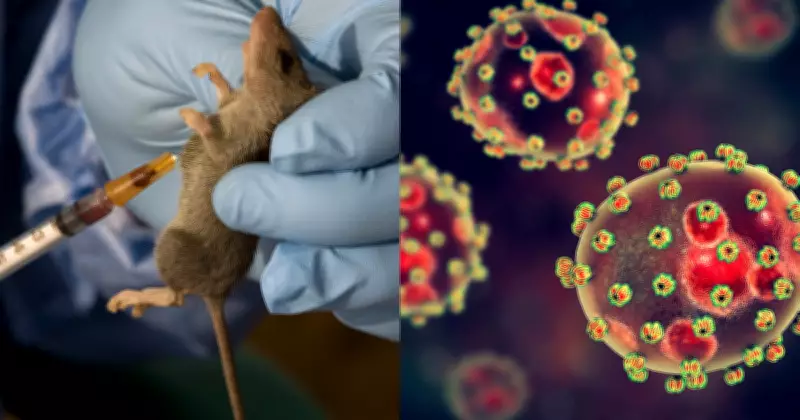
Lassa fever is a zoonotic viral illness transmitted primarily through contact with food or household items contaminated with urine or feces from infected Mastomys rats, commonly known as African rats. The disease is endemic in Nigeria and several other West African countries.
The World Health Organization classifies Lassa fever as an acute viral hemorrhagic illness caused by the Lassa virus, which belongs to the arenavirus family. Since a major outbreak in 2016, Nigeria has experienced recurring increases in case numbers.
The disease maintains a persistent presence in rodent populations across West Africa, with confirmed endemicity in Benin, Ghana, Guinea, Liberia, Mali, Sierra Leone, Togo, and Nigeria. Other West African countries likely harbor the disease as well.
The NCDC continues to recommend enhanced year-round community engagement for Lassa fever prevention and urges healthcare workers to maintain high suspicion for the disease in clinical settings.