Lassa Fever Outbreak Intensifies with High Fatality Rates Across Multiple States
The Lassa fever outbreak in Nigeria has escalated alarmingly, with health authorities reporting that one in every four infected individuals is succumbing to the disease. This haemorrhagic fever is particularly ravaging states in Northern Nigeria, including Taraba, Katsina, and Bauchi, prompting urgent responses from medical organizations and government bodies.
Severe Impact in Bauchi and Taraba States
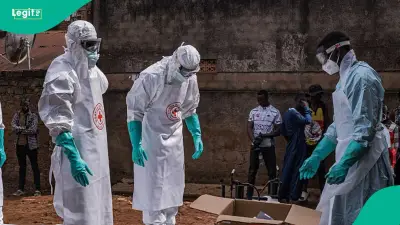
According to Médecins Sans Frontières (MSF), Bauchi State has been hit hard, recording 68 deaths and 311 confirmed Lassa fever cases between October 1, 2025, and March 23, 2026. Outreach teams are actively operating in council areas such as Bauchi, Kirfi, Toro, and Tafawa Balewa, focusing on early detection, isolation, and referrals to curb the spread. MSF official Abdulkareem Yakubu emphasized that the group is training health workers and combating misinformation to improve response efforts.
In Taraba State, the situation is equally dire. At the Federal Medical Centre (FMC) Jalingo, 50 deaths were confirmed between November 2025 and March 2026. Abubakar Kirim, Head of Clinical Services at FMC Jalingo, noted that Taraba has recorded the largest number of infections this year. He called on all tiers of government to step in with advocacy and preventive measures, highlighting an acute shortage of medical doctors and low public awareness as key challenges exacerbating the epidemic.
Rising Fatality Rates and Geographical Shifts
The fatality rate has also surged in Katsina State, where new cases are being reported. Mohammed Sani Abubakar, Infectious Diseases Consultant at the Federal Teaching Hospital, Katsina, and State Chairman of the Nigerian Medical Association (NMA), raised alarms over a disturbing shift in the outbreak's pattern and severity. He stated that the disease is proving deadlier this year, with a sharp increase in deaths among confirmed cases.
Nationwide, from January to date, more than 1,000 suspected and confirmed cases have been recorded, resulting in approximately 145 deaths. Abubakar explained that while previous outbreaks were concentrated in the North-East, particularly Borno and Yobe states, and parts of the South-South like Edo State, over 90% of current cases are now in five frontline states: Benue, Ondo, Taraba, Edo, and Plateau. He attributed this shift to factors such as climate change, insecurity, community displacement, poor hygiene, and increased rodent movement into homes.
In Katsina specifically, three confirmed cases have been reported, with two deaths occurring in Funtua and Kafur Local Government Areas.
National Statistics and Response Efforts
MSF reported that Nigeria has faced a particularly severe Lassa fever season since January 2026, with 516 cases and 135 deaths recorded—a 31% increase in fatalities compared to the same period in 2025. Dr. Ayokunnu Raji, MSF's emergency medical programme manager, noted that Lassa fever symptoms often mimic common illnesses like malaria or typhoid, leading to delayed treatment and critical conditions by the time patients reach treatment centers.
The organization is responding in six states and plans to upgrade the Bauchi treatment center into a training hub to enhance local capacity. Efforts are focused on improving early diagnosis, isolation protocols, and public education to reduce transmission and mortality rates.
Key Takeaways:
- Lassa fever outbreak shows a high fatality rate of one in four cases in affected states.
- Bauchi, Taraba, and Katsina are among the hardest-hit regions, with significant death tolls.
- National cases have risen by 31%, with 516 cases and 135 deaths recorded in 2026.
- Health officials cite climate change, insecurity, and misinformation as contributing factors.
- MSF and local health workers are intensifying training and outreach to combat the crisis.