Legionnaires' Disease Outbreak Detected in Two London Areas, Health Probe Launched
A potentially fatal lung infection, known as Legionnaires' disease, has been identified in two distinct areas of London, United Kingdom, triggering an urgent investigation by health authorities. The UK Health Security Agency (UKHSA) is actively working to ascertain whether the clusters of infections are linked and to pinpoint the possible origin of this concerning outbreak.
Understanding Legionnaires' Disease and Its Transmission
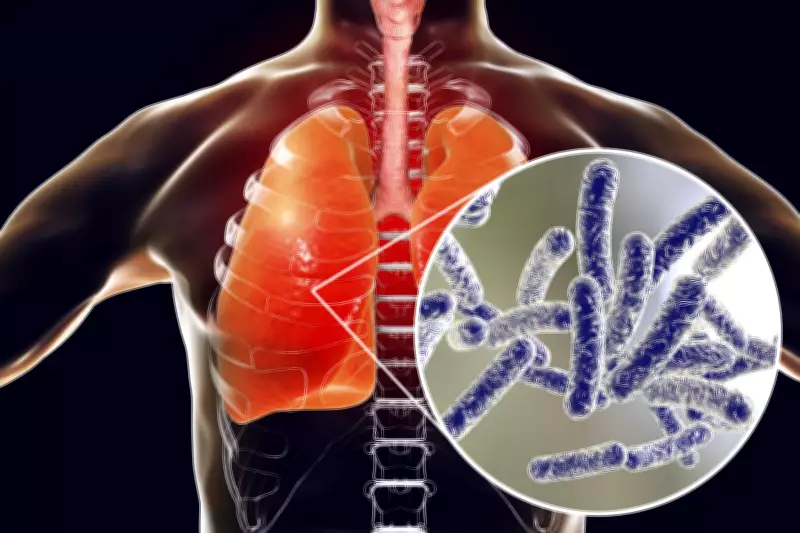
Legionnaires’ disease is a severe form of pneumonia caused by the bacterium Legionella pneumophila. Individuals contract the illness by inhaling minuscule droplets of water contaminated with the bacteria. These bacteria are commonly found in various water systems and can proliferate and spread through sources such as air-conditioning units, humidifiers, hot tubs, taps, and showers that are not used frequently. While most cases present as isolated infections, the UKHSA notes that outbreaks can occur under specific conditions, particularly in poorly maintained water systems.
Ongoing Investigations and Health Warnings
Janice Lo, a health protection consultant with UKHSA London, emphasized that investigations are currently underway to determine if the cases share a common source. “At this stage, a common source has not yet been confirmed, but we are undertaking further investigations, with partners, that will provide us with more information,” she stated. Lo further warned that Legionella bacteria are widely distributed in the environment and can multiply extensively in large building water systems if they are not properly maintained.
“Legionella bacteria are widely distributed in the environment and can multiply in large water systems within buildings. It is important that water systems are properly maintained with regular testing and treatment to ensure that bacteria do not multiply and cause a risk to health,” she advised.
Symptoms and Treatment Protocols
Symptoms of Legionnaires' disease include:
- Cough
- Shortness of breath
- Chest pain when breathing or coughing
- High fever
- Headaches
- Muscle aches
- Other flu-like symptoms
Health authorities strongly advise anyone experiencing these symptoms to contact the NHS through NHS 111 or consult their general practitioner for immediate medical advice. The disease is typically treated with antibiotics, and most patients recover fully after several weeks of treatment. Annually, about 300 cases of Legionnaires' disease are recorded in England and Wales, highlighting its persistent public health relevance.
Historical Context and Recent Incidents
Several notable Legionnaires' disease cases have occurred in the UK in recent years, underscoring the ongoing risks associated with water system management:
- In 2023, dozens of asylum seekers were evacuated from the Bibby Stockholm barge after Legionella bacteria were discovered in the water system, raising significant safety concerns.
- In another incident, an inmate at HMP Lincoln died after contracting the disease, with subsequent water samples from the prison testing positive for Legionella bacteria. A company responsible for services at the prison was fined £600,000 over health and safety failures, illustrating the severe consequences of negligence.
These past events reinforce the critical need for vigilant maintenance and regular testing of water systems to prevent similar outbreaks and protect public health.