NCDC Records 109 Deaths and 469 Lassa Fever Cases in 2026 with Increased Fatality
The Nigeria Centre for Disease Control and Prevention (NCDC) has reported a total of 469 confirmed cases of Lassa fever and 109 related deaths in 2026, according to recent epidemiological data. This represents a case fatality ratio of 23.2 per cent, which is notably higher than the 18.7 per cent recorded during the same period in 2025, indicating a worsening trend in the disease's impact.
Weekly Epidemiological Trends and State-by-State Breakdown
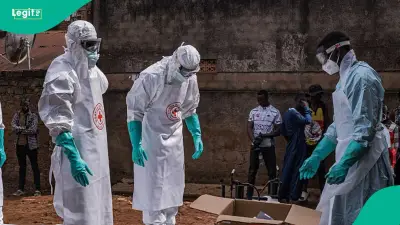
In its Week 9 Epidemiological Report, covering February 23 to March 1, the NCDC noted that 65 new confirmed cases were recorded, marking a decline from the 77 cases reported in Week 8. The new infections were reported across multiple states, including Benue, Ondo, Bauchi, Taraba, Edo, Plateau, and Nasarawa. Alarmingly, six healthcare workers were infected during this reporting week, bringing the cumulative total to 37 infections among medical personnel this year.
Between Week 1 and Week 9 of 2026, Nigeria recorded 2,446 suspected cases of Lassa fever, with 469 confirmed and four classified as probable. The data reveals that 86 per cent of all confirmed cases were concentrated in five states: Bauchi, Ondo, Taraba, Benue, and Edo. The remaining 14 per cent were reported from 13 other states, highlighting the widespread nature of the outbreak.
Demographic Insights and Geographic Spread
The report shows that 18 states across 69 local government areas have reported at least one confirmed case of Lassa fever so far this year. The predominant age group affected by the disease is 21-30 years, with a male-to-female ratio for confirmed cases of 1:0.8, suggesting a slightly higher incidence among males.
Response Efforts and International Collaboration
In response to the outbreak, the NCDC has activated the national Lassa fever Incident Management System to coordinate efforts involving multiple partners and sectors. Key initiatives include intensified case searches, contact tracing, and the deployment of national rapid response teams to seven high-burden states. Personal protective equipment and other response materials have been distributed to treatment centres to enhance safety measures.
Additionally, a targeted infection prevention and control ring strategy was launched in Benue State with support from the World Health Organisation. Field missions and clinical support activities are being conducted in collaboration with partners such as Médecins Sans Frontières and the United States Centres for Disease Control and Prevention, aiming to bolster on-ground response capabilities.
Challenges and Recommendations
The NCDC highlighted several challenges facing the Lassa fever response, including late presentation of cases, poor health-seeking behaviour due to the high cost of treatment, inadequate environmental sanitation in affected communities, and increasing infections among healthcare workers. These factors complicate efforts to control the spread and manage the outbreak effectively.
To address these issues, the agency urged state governments to strengthen year-round community engagement in Lassa fever prevention. Healthcare workers were advised to maintain a high level of suspicion for the disease, ensure early referral of suspected cases, and strictly adhere to infection prevention and control procedures to mitigate risks.