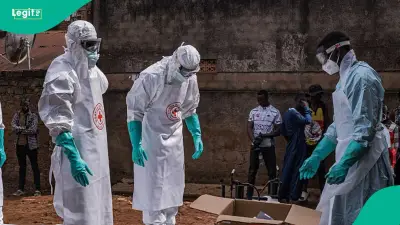
The Nigeria Centre for Disease Control and Prevention (NCDC) has reassured Nigerians that no confirmed case of Ebola Virus Disease has been recorded in the country, despite growing concerns over the ongoing outbreak of the rare Bundibugyo strain in Central Africa.
In a statement released on Sunday, May 17, the NCDC Director-General, Jide Idris, said the agency was closely monitoring developments following the outbreak in the Democratic Republic of the Congo and a recently confirmed imported case in Uganda linked to the situation in DR Congo.
Regional Response Measures
According to the NCDC, authorities in DR Congo and Uganda have already activated emergency response measures, including enhanced surveillance, laboratory testing, contact tracing, infection prevention and public risk communication. The agency said Nigeria had also intensified its preparedness efforts due to increased regional movement across African borders.
“Due to increasing regional movement across countries, NCDC is closely monitoring the situation and working with relevant stakeholders, including the Port Health Service under the Federal Ministry of Health and Social Welfare, to ensure continued vigilance and preparedness within the public health system,” the statement read.
Strengthening Public Health Systems
The agency added that it was strengthening event-based surveillance systems, supporting laboratory readiness, reinforcing infection prevention protocols in healthcare facilities and expanding community engagement activities nationwide. The World Health Organization had earlier warned that the Bundibugyo strain differs from the more common Ebola-Zaire variant because there are currently no approved vaccines or therapeutics specifically designed for it.
Current Outbreak Statistics
As of May 16, health officials reported eight laboratory-confirmed cases, 246 suspected infections and 80 suspected deaths across several health zones in Ituri Province, eastern DR Congo, including Bunia, Rwampara and Mongbwalu.
Public Health Advice
The NCDC urged Nigerians to remain calm, avoid misinformation and maintain regular hygiene practices, particularly frequent handwashing. It also advised residents to avoid contact with bodily fluids of sick persons and dead animals or bushmeat from unknown sources. Healthcare workers were advised to maintain a high index of suspicion for patients showing symptoms consistent with Ebola, especially those with relevant travel history, while strictly adhering to infection prevention and control measures.
The agency encouraged Nigerians to promptly report unusual illnesses to the nearest health facility and rely only on updates from official public health authorities.