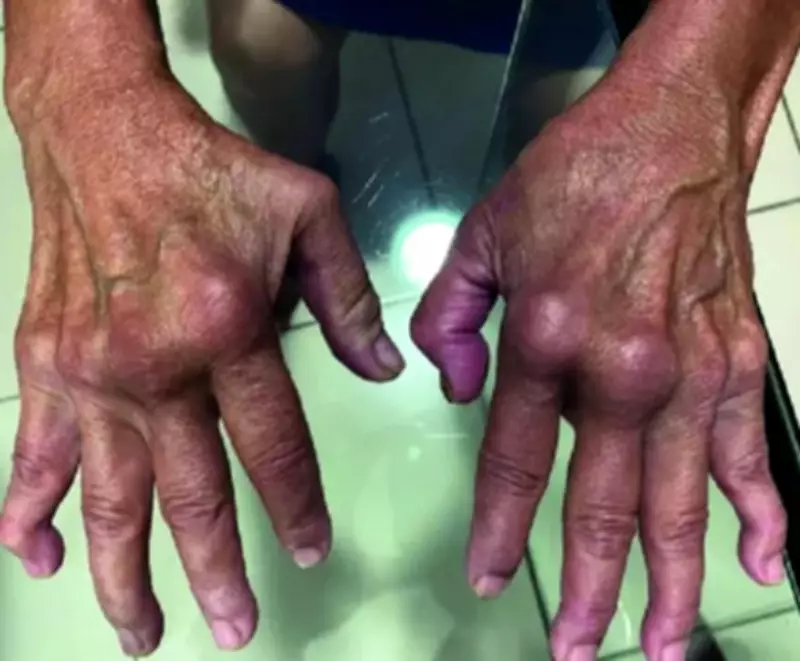
UK Health Officials Sound Alarm as Chikungunya Infections Spike by 43 Percent
The United Kingdom has witnessed a dramatic surge in cases of Chikungunya, a tropical virus known for causing debilitating joint pain that can make sufferers feel as though their body is folding in on itself. According to the UK Health Security Agency, infections linked to international travel skyrocketed by 43 percent in 2025, marking the highest level ever recorded in the country.
Sharp Rise in Imported Cases Across England, Wales, and Northern Ireland
Official data reveals that Chikungunya cases across England, Wales, and Northern Ireland climbed to 160 in 2025, a significant jump from 112 cases reported the previous year. The majority of these infections were identified in travelers returning from popular destinations such as Sri Lanka, India, and Bangladesh, where the virus is endemic.
Chikungunya is a mosquito-borne illness transmitted primarily by infected Aedes species mosquitoes. The virus triggers a range of severe symptoms including intense joint pain, high fever, persistent headaches, muscle aches, and noticeable skin rashes. While most individuals recover fully within a few weeks, a substantial number of patients endure prolonged joint pain that can persist for months or even years, severely impacting their quality of life.
Health Experts Issue Urgent Warnings and Protective Guidelines
Dr. Philip Veal of the UK Health Security Agency emphasized the severity of the disease, stating, "For some people, chikungunya can be a prolonged and nasty disease. Although this mosquito-borne infection is rarely fatal, it can cause severe joint and muscle pain, headaches, sensitivity to light, and skin rashes."
In response to the alarming increase, health authorities are urgently advising travelers to adopt rigorous protective measures, particularly during peak holiday periods like Easter. Dr. Dipti Patel of the National Travel Health Network and Centre outlined essential precautions to minimize infection risk:
- Prepare thoroughly before traveling by researching destination-specific health risks.
- Use insect repellents containing DEET to effectively deter mosquito bites.
- Wear clothing that covers exposed skin to reduce mosquito access.
- Sleep under insecticide-treated bed nets, especially in high-risk areas.
Officials also recommend consulting travel health clinics prior to departure to discuss potential vaccinations and review up-to-date health guidance for intended destinations.
Climate Change and Global Travel Fuel Virus Expansion into New Regions
The warning comes as Chikungunya continues to spread into previously unaffected regions, including parts of southern Europe such as France and Italy. This expansion is largely driven by rising global temperatures and increased international travel, which create favorable conditions for mosquito populations to thrive and transmit the virus.
Simultaneously, UK health authorities reported that Malaria cases remain persistently high, with 1,629 imported infections recorded in 2025, though this figure represents a slight decrease from the previous year. In contrast, Dengue cases have declined significantly across the country.
Researchers caution that warming climates are enabling mosquito species like Aedes albopictus, commonly known as the tiger mosquito, to establish themselves across Europe. This geographical shift heightens the risk of outbreaks in traditionally cooler regions, underscoring the growing public health challenge posed by climate change and global mobility.