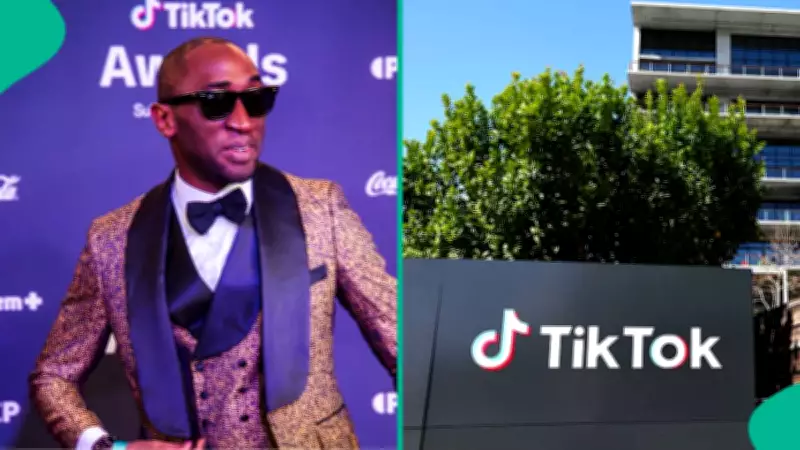
Nigerian Medical Doctor Shares Painful Experience of US Visa Rejection After TikTok Selection
A Nigerian medical doctor has narrated his distressing experience of being denied a United States visa five months ago, despite being selected by social media giant TikTok to attend prestigious international events in America. The rejection came as a shock to the medical professional, who had previously obtained three US visa approvals without issues.
From High Hopes to Devastating Disappointment
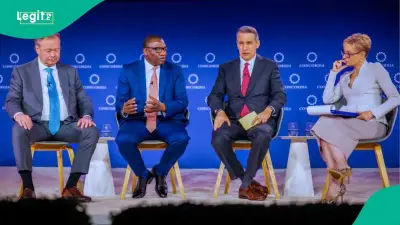
Dr Olawale Ogunlana, the medical doctor in question, shared his story on social media platform X in response to discussions about the perceived toughness of the United States Consulate in Lagos. According to his detailed account, TikTok had selected him as one of 50 TikTok ChangeMakers in 2025, which included participation in their delegation to the United Nations General Assembly and the Concordia Summit in New York.
The doctor revealed that comprehensive arrangements had been made for his trip, including bookings at a five-star hotel on Lexington Avenue and transportation arrangements from his home in Nigeria to his New York accommodation. Everything was perfectly organized for what promised to be a significant professional opportunity where he was scheduled to speak on influential panels alongside world leaders.
Confidence Turns to Crushing Rejection
Dr Ogunlana approached his visa interview with considerable confidence, believing his strong ties to Nigeria would work in his favor. His last visit to the United States had occurred eleven years prior, and he had maintained a stable professional and personal life in Nigeria since that time. However, he admitted to some concerns about potential policy changes that might affect his application.
"As someone who's had three previous visas, and as someone whose last travel to the US was about eleven years ago, I believed that I had demonstrated enough strong ties to home," the doctor explained in his social media post. "I was only applying for the visa to come for this specific event, which the US leadership was definitely aware of."
The Interview That Ended in Unexpected Denial
During the actual visa interview, Dr Ogunlana described a surprisingly smooth interaction with the consular officer. The conversation flowed so naturally that other applicants waiting in line became convinced he would receive approval. Their collective shock was palpable when the officer ultimately denied his application.
The emotional impact of the rejection was immediate and profound. "It was a rainy day. Everywhere first blur. My legs could barely carry me as I walked out of the Consulate," he recounted. "I remembered standing in that rain for over twenty minutes before I mustered the courage to walk to my car. It was the longest walk of my life."
Professional and Personal Consequences
The visa denial meant Dr Ogunlana missed a significant professional opportunity to share his expertise on preventative medicine with international audiences. He had planned to discuss innovative approaches to healthcare delivery that could reach millions of Africans directly in their homes rather than being confined to traditional hospital settings.
The experience left him emotionally devastated, requiring considerable time to recover from the disappointment. His inability to attend the events represented not just a personal setback but a missed chance to contribute to important global conversations about healthcare accessibility and innovation.
Public Reaction and Broader Implications
Social media responses to Dr Ogunlana's story revealed widespread sympathy and shared frustrations with the US visa process. Several commenters suggested that previous unused visas might have contributed to the denial, while others pointed to potential policy changes as influencing factors.
One respondent noted: "When you get a visa and you don't use it, this is often the case. That's the sole reason you were denied." Another commented: "It's the Trump effect. Some of us are waiting till he leaves office again. It is usually like that during his tenure."
The incident highlights ongoing challenges faced by Nigerian professionals seeking to participate in international events, even when formally invited by recognized global organizations. It raises questions about consistency in visa adjudication processes and the impact of such decisions on professional development and international collaboration.
Dr Ogunlana's experience serves as a cautionary tale for Nigerian professionals planning international engagements, emphasizing the unpredictable nature of visa processes despite previous approvals and strong credentials. His story continues to resonate within professional communities concerned about barriers to global participation and knowledge exchange.