7 Foods That Naturally Combat Acne and Strengthen Your Skin Barrier
Acne is not merely a surface-level concern dictated by skincare products alone. It is profoundly influenced by what you consume daily, with internal factors like a damaged skin barrier, chronic inflammation, and unstable blood sugar manifesting externally as persistent breakouts, dullness, or stubborn dark spots. While topical treatments offer temporary relief, they often fail to address the root causes. Nutrition, however, provides a steady, biological solution—not through magic or overnight fixes, but by consistently supporting your body's natural processes.
Certain foods excel at reducing inflammation, others help regulate oil production, and some even aid in skin repair and defense against environmental stressors. Below are seven scientifically-backed foods that genuinely promote clearer skin and a more resilient barrier, free from trends or hype.
Sweet Potatoes
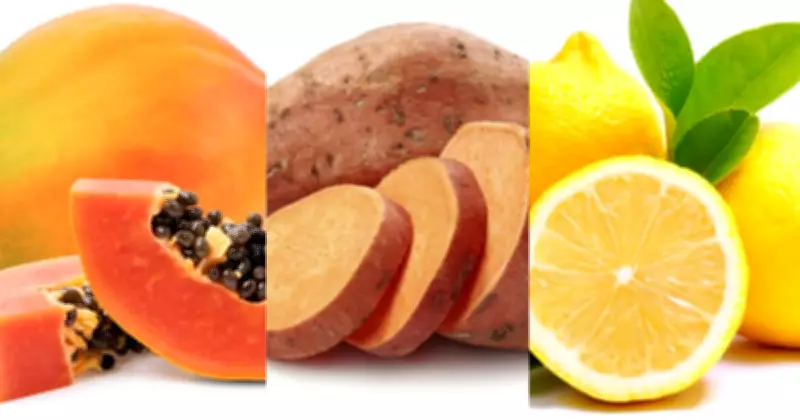
Sweet potatoes are a beauty powerhouse, rich in vitamins A, C, and E, which collectively enhance skin glow, reduce inflammation, and support hair growth. If you are familiar with retinol, you already appreciate vitamin A's ability to accelerate skin renewal, prevent clogged pores, and diminish acne over time. However, topical retinol can cause irritation, peeling, and sensitivity, making it unsuitable for everyone. Sweet potatoes offer a natural alternative through beta-carotene, which the body converts into vitamin A. This conversion is crucial because vitamin A regulates skin cell turnover; when this process slows, dead cells accumulate, pores become clogged, and acne forms. Additionally, beta-carotene acts as an antioxidant, neutralizing free radicals that contribute to inflammation, discoloration, and premature aging.
Lemon
Lemon boasts antioxidant properties that combat free radicals to slow aging, while its astringent nature helps tighten pores. Applying lemon juice directly to the skin is risky due to its high acidity, which can weaken the skin barrier and worsen pigmentation, especially under sun exposure. Internally, however, lemon behaves differently. Citrus fruits, particularly the peel, contain flavonoids that studies show support collagen production, fight oxidative stress, and offer protective benefits. Collagen is essential for skin structure; without adequate levels, acne scars persist longer, and healing slows. Drinking lemon water in the morning is not a cure-all, but it provides antioxidants that aid skin repair from within.
Pumpkin
Pumpkin is an underrated champion for skin health, packed with fruit enzymes, alpha hydroxy acids (AHAs), and antioxidants like beta-carotene and vitamins A, C, and E. Its zinc content is directly linked to acne control by regulating sebum (oil) production—balancing oil levels to prevent breakouts or a dry, compromised barrier. Pumpkin also delivers mild, natural AHAs that gently exfoliate and maintain skin texture without disrupting the barrier. Furthermore, its high fiber content supports gut health, which often reflects as clearer skin.
Berries
Berries—including strawberries, blueberries, raspberries, and blackberries—are nutritionally dense, rich in vitamin C and antioxidants that reduce inflammation, a key acne trigger. Vitamin C also supports collagen synthesis, helping prevent breakouts while improving post-acne healing. Additionally, berries have a low glycemic load compared to processed snacks, meaning they cause fewer blood sugar spikes, less insulin fluctuation, and reduced oil overproduction. Consuming about a handful daily, such as eight strawberries or a small bowl of cherries, can yield noticeable benefits over time.
Legumes
Legumes like beans, lentils, chickpeas, and soybeans promote skin health by providing protein, zinc, antioxidants, and fiber, which repair skin tissues, combat acne, and reduce inflammation. High-glycemic foods, such as white rice and sugary snacks, spike blood sugar, triggering insulin surges that increase oil production and clog pores. Legumes interrupt this cycle by digesting slowly, stabilizing blood sugar, and minimizing hormonal fluctuations that lead to breakouts. Their protein and fiber content further supports overall skin health and repair.
Papaya
Papaya stands out with its papain enzyme, which naturally breaks down proteins, offering gentle exfoliation and unclogging pores when consumed. It aids digestion, preventing toxin buildup that can manifest as dull skin or breakouts. Papaya is also rich in vitamins A, C, and B-complex, along with minerals like potassium and magnesium, which collectively improve skin elasticity, hydration, and healing.
Quinoa
Quinoa is high in fiber—approximately 17–27 grams per cooked cup—supporting regular bowel movements and efficient waste elimination to prevent toxin accumulation that affects skin. It also contains protein and essential amino acids, like lysine, crucial for collagen synthesis and tissue repair, including skin. Incorporate quinoa into meals as a rice substitute, in salads, or as porridge for easy integration into your diet.
Clear skin is not built on quick fixes but on holistic systems encompassing diet, hormones, digestion, and inflammation levels. These seven foods target these systems by regulating oil, reducing inflammation, and aiding skin repair and protection. You do not need to consume all of them daily, but regular incorporation can lead to gradual, noticeable shifts. Over time, your skin will reflect this internal stability with fewer breakouts, faster healing, and a stronger barrier.