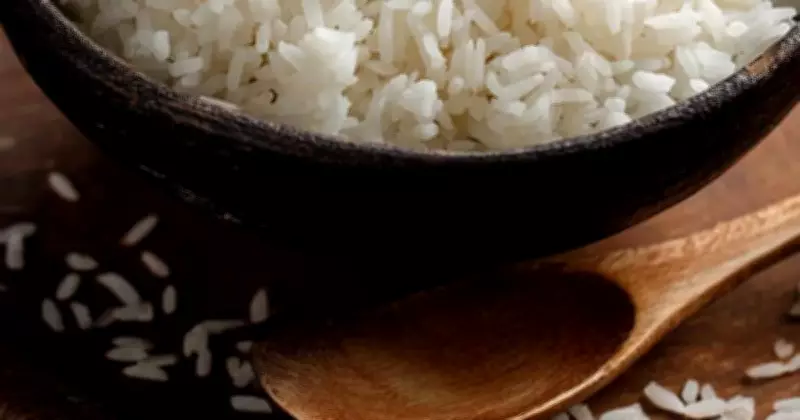
Daily Rice Consumption: Understanding Health Implications
Rice occupies a central position in Nigerian cuisine, appearing on plates during celebrations and daily meals alike. White rice, boiled rice, and fried rice provide comfort, affordability, and familiarity to millions. However, emerging scientific evidence suggests that consuming rice in the manner most people do might have subtle yet significant impacts on long-term health.
The Nutritional Profile of White Rice
White rice undergoes extensive processing that removes the nutrient-rich bran and germ layers, leaving primarily the starchy endosperm. This processing enhances taste, extends shelf life, and improves cooking properties, but simultaneously strips away essential minerals, vitamins, and dietary fiber. Consequently, white rice is often classified as an "empty carbohydrate" due to its diminished nutritional value compared to whole grain alternatives.
Health Risks Associated with Regular White Rice Consumption
While rice itself isn't inherently harmful, numerous studies have established connections between excessive white rice consumption and increased health risks. Research indicates potential links to:
- Type 2 Diabetes Development: White rice possesses a Glycemic Index of 64, categorizing it as medium-high on the glycemic scale. This means carbohydrates in white rice convert to blood sugar relatively quickly, potentially contributing to insulin resistance over time.
- Cardiovascular Concerns: Some studies suggest correlations between high white rice intake and elevated heart disease risk factors.
- Arsenic Exposure: Rice can accumulate low levels of arsenic from soil and water, with regular consumption potentially leading to gradual buildup of this toxic element in the body.
A comprehensive review analyzing data from over 350,000 participants found that individuals consuming the highest quantities of white rice demonstrated significantly greater risk of developing type 2 diabetes compared to those with minimal consumption.
Strategies for Healthier Rice Consumption
Rice with Efo Riro: A Balanced Approach
Efo Riro, a beloved Nigerian dish featuring leafy greens, peppers, and aromatic spices, creates a vibrant, nutrient-dense sauce. When pairing with rice, moderation proves crucial. Limiting rice to approximately two cups while emphasizing protein sources creates a more balanced meal. Consider preparing "fiesta rice" by marinating minced chicken, turkey, or meat with soy and oyster sauces, then frying with colorful bell peppers, sweet corn, and cabbage before incorporating boiled rice.
This method achieves multiple benefits:
- Slows carbohydrate digestion, preventing rapid blood sugar spikes
- Provides sustained energy rather than temporary sugar rushes
- Enhances visual appeal and satisfaction, reducing overconsumption tendencies
Boiled Rice with Carrot Salad Enhancement
The viral carrot salad trend offers more than aesthetic appeal when combined with rice. Grate carrots, cucumbers, red onions, and spring onions, then incorporate boiled eggs and chicken breast chunks for added protein. Create a flavorful dressing using honey, ketchup, dark and light soy sauces, oyster sauce, sesame oil, apple cider vinegar or lemon juice, chili, and mixed spices. This combination introduces essential vitamins, antioxidants, and proteins that white rice alone cannot provide.
Rice and Fish Sauce Combinations
Scientific evidence supports consuming fish approximately twice weekly for heart-healthy omega-3 fatty acids, anti-inflammatory nutrients, and quality protein. Pairing fish with rice creates meals supporting cardiovascular and neurological health. Options include curry fish with white rice, marinated croaker preparations, or tuna casserole variations. Always accompany with fresh or lightly cooked vegetables to boost fiber content, slow carbohydrate absorption, and add vital vitamins.
Rice and Beans Stir Fry Integration
The classic beans and rice combination achieves nutritional synergy through complementary profiles. Beans contribute fiber, plant-based protein, and minerals typically absent in white rice. Stir-frying these elements with vegetables creates balanced, satiating meals where fiber helps regulate blood sugar, protein promotes prolonged fullness, and colorful presentation encourages mindful eating practices.
Essential Considerations for Rice Consumption
Rice need not become a dietary adversary but should not dominate meal compositions either. Prioritize protein sources, vegetables, and healthy fats alongside moderate grain portions. Select nutrient-rich pairings like leafy greens, legumes, poultry, or fish. By adjusting proportions and combining rice with diverse food groups, individuals can mitigate potential health risks while preserving the culinary comfort rice provides.
Frequently Asked Questions
Is daily rice consumption inherently harmful?
Daily rice consumption may not prove problematic when considering rice variety and quantity. White rice specifically can trigger blood sugar surges and, with prolonged unbalanced consumption, potentially increase type 2 diabetes risk.
Does white rice directly cause diabetes?
White rice doesn't directly "cause" diabetes, but research indicates that diets high in refined carbohydrates, including white rice, may elevate type 2 diabetes risk. The determining factors involve consumption quantity and accompanying foods rather than rice itself.
What constitutes the healthiest rice consumption method?
The healthiest approach emphasizes balanced proportions: smaller rice portions combined with vegetables, beans, chicken, fish, or eggs. This slows digestion, reduces blood sugar spikes, and enhances nutrient delivery.
Is basmati rice superior to regular white rice?
Basmati rice generally offers advantages through lower glycemic index values, meaning slower blood sugar elevation. It typically contains more fiber and nutrients compared to regular white rice varieties.