The African Centres for Disease Control and Prevention (Africa CDC) has officially recognized Nigeria's ongoing health sector reforms as a practical model for strengthening healthcare systems across the continent. This endorsement came during the 2025 Joint Annual Review of the Health Sector held in Abuja.
Continental Recognition for Nigerian Health Reforms
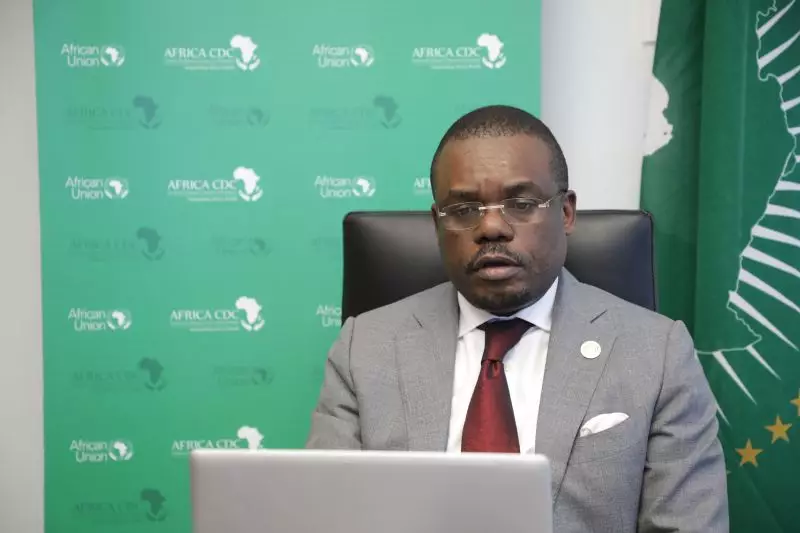
Dr. Jean Kaseya, the Director General of Africa CDC, made the significant announcement during the health sector review meeting themed "All hands, one mission: Bringing Nigeria's health sector to light." The senior health official revealed that Nigeria will be among the few pilot countries for integrated health financing under the G20 partnership, marking the nation's growing influence as a continental health leader.
"This joint annual meeting is critical, not only for Nigeria, but for the African continent," Dr. Kaseya stated. "For the next review, I will request the permission of the Minister and the Nigerian people to invite some of your brothers and sisters from Africa to come, sit with you, and learn from you. We come here to tell you, you are on the right track, and we support your approach."
Tackling Out-of-Pocket Health Expenditure
The Africa CDC head emphasized that reducing high out-of-pocket healthcare costs must become a continental priority. He specifically highlighted Nigeria's strategy as providing an effective model, noting that no country can address catastrophic health payments solely through donor aid.
Dr. Kaseya presented concerning statistics about African healthcare financing: over 20 African nations depend on Official Development Assistance (ODA) for more than 30% of their healthcare expenditure. In some fragile states, this dependency rises dramatically, with more than 60% of health funding relying on ODA.
"This must change," Dr. Kaseya asserted. "If Nigeria can cut out-of-pocket expenditure by 88%, the world will be glad. You do it by building strong national health insurance systems and investing in sustainable domestic financing. Reducing out-of-pocket health spending requires universal health coverage through national insurance systems, rather than relying on donor aid."
Local Production and Strategic Partnerships
The Africa CDC director also acknowledged Nigeria's renewed focus on local pharmaceutical production, stressing that homegrown investment is essential for strengthening African health security. He specifically mentioned being impressed by Aliko Dangote's contributions to local production and emphasized the need for more African private sector investment in continental health security.
Dr. Kaseya identified several key initiatives driving Nigeria's health sector transformation:
- The Sector-Wide Approach (SWAp) that cuts inefficiencies, fragmentation, and weak governance
- The Compact with state governments and stakeholders
- Expanded private sector involvement that has improved efficiency and boosted domestic resource mobilization
"Nigeria's Sector-Wide Approach is evidence-based," Dr. Kaseya noted. "We need more of Africa's private sector investing in Africa, before calling others to come."
The director general concluded by urging other African leaders to learn from Nigeria's approach, emphasizing that available data clearly shows the country is on the right path toward improved healthcare delivery for all citizens.