CAPPA Advocates for N300 Million Tobacco Control Fund and 50% Sugar Tax
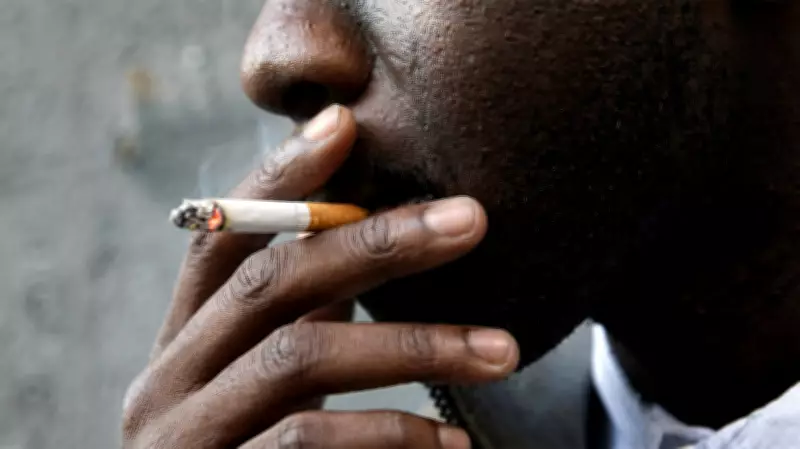
Corporate Accountability and Public Participation Africa (CAPPA) has put forward a bold proposal to significantly increase the Tobacco Control Fund from N13 million to N300 million. This announcement coincided with Nigeria's participation in World Health Day 2026, highlighting ongoing concerns about deficiencies in health financing and policy execution across the nation.
Addressing Health Budgeting Challenges
The organization emphasized that this call underscores deep-seated issues within Nigeria's health budgeting framework, where insufficient allocations and delayed fund disbursements persistently hinder the provision of critical healthcare services. CAPPA pointed out that without immediate reforms to health financing and preventive strategies, the escalating disease burden and strained health system will continue to pose a serious risk to public health outcomes.
Proposed Fiscal Measures for Non-Communicable Diseases
In addition to the tobacco fund increase, CAPPA urged all levels of government to implement stronger fiscal and regulatory actions to combat the rise of non-communicable diseases. Specifically, the group recommended raising the tax on sugar-sweetened beverages to at least 50 percent of the retail price, aligning with international guidelines. This measure aims to curb unhealthy dietary habits contributing to health issues.
Critique of Healthcare Underfunding
In a statement marking World Health Day, CAPPA called on governments to move beyond mere talk and urgently tackle chronic underfunding and structural weaknesses that are undermining the health sector and exacerbating Nigeria's disease load. The organization lamented a consistent pattern of inadequate healthcare investment, noting that budget allocations have repeatedly failed to meet the 15 percent target established under the Abuja Declaration.
Furthermore, CAPPA highlighted that even when funds are approved, they are often not fully released, which restricts effective implementation. For instance, the Federal Ministry of Health and Social Welfare could not execute its 2025 capital budget because only N36 million out of an allocated N218 billion was disbursed. A similar scenario occurred in 2024, with just N26.552 billion released from a N233.656 billion earmark for capital projects.
Impact on Health System and Public
Akinbode Oluwafemi, CAPPA's Executive Director, stated that the persistent disparity between budget promises and actual fund releases has weakened the health system and continues to disadvantage Nigerians. He noted that the consequences are visible in limited access to essential medicines, overburdened healthcare facilities, a shortage of health workers exacerbated by migration, and increasing out-of-pocket expenses for patients.
Call for Evidence-Based Policies
Reflecting on the 2026 World Health Day theme, "Together for health: Stand with science," CAPPA advocated for a stronger embrace of evidence-based policies, particularly those aimed at addressing unhealthy diets. The organization stressed that such measures are crucial for improving public health and reducing the nation's disease burden.