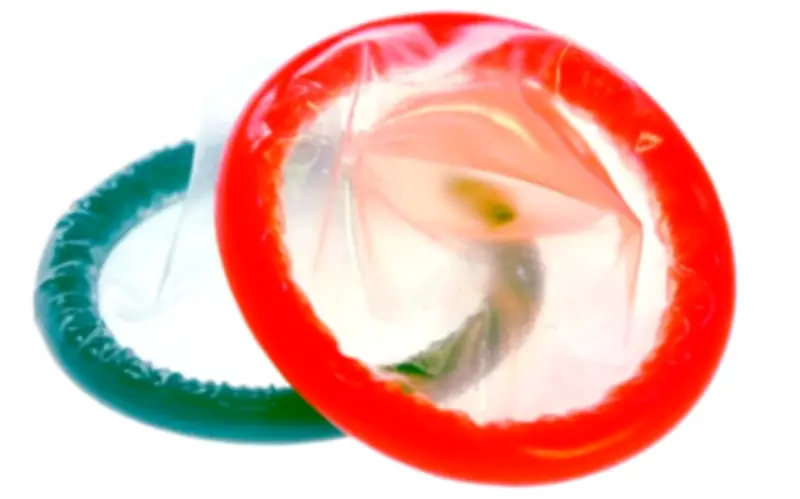
A senior HIV prevention expert has warned that improper condom use, particularly with oil-based lubricants, significantly raises the risk of condom breakage, undermining protection against HIV and other sexually transmitted infections. The warning comes as Nigeria grapples with thousands of new HIV infections annually, according to official figures.
Expert Warns Against Oil-Based Lubricants
Taofeek Adeleye, Senior Manager for Prevention Programmes at the AIDS Healthcare Foundation, issued the caution on Thursday in Lagos during a two-day training for journalists and social media influencers on HIV Pre-Exposure Prophylaxis (PrEP). The National Agency for the Control of AIDS (NACA) organised the training in collaboration with the World Health Organisation (WHO) to enhance journalists’ understanding of PrEP and other HIV prevention strategies, aiming to improve public access to accurate HIV information.
Adeleye stressed that individuals relying on condoms must be vigilant about correct usage, including selecting the right condom size and employing suitable lubricants. He advised against using palm oil, vegetable oil, and other oil-based substances with condoms, recommending water-based lubricants instead.
“You can’t use palm oil, honey oil, balsamic, or vegetable oil. You can use water-based lubricants, which are advisable,” he said.
International Guidelines Support Caution
The expert’s caution aligns with international guidance on condom usage. The United States Centres for Disease Control and Prevention (US-CDC) advises people using latex condoms to use water-based or silicone-based lubricants rather than oil-based products. The agency emphasises that oil-based lubricants can weaken condoms and lead to breakage. Similarly, the WHO states that lubricants can reduce the likelihood of condoms breaking, slipping, or falling off when used correctly.
Adeleye also underlined the importance of using condoms of the appropriate size. He recommended that individuals take precautions before engaging in sexual activity and remain conscious of potential risks.
“I always advise men that when you are going to engage in sexual activity, you should also look around. When you are coming in here, you look at the room before you enter. You don’t just go into a place without knowing what is there,” he explained.
Condoms Still Crucial With PrEP
This discussion coincides with Nigeria’s expanding focus on preventing new HIV infections through multiple measures, including condoms, HIV testing, and PrEP. PrEP is an HIV prevention method for individuals without HIV but at risk, involving medication to reduce the chance of acquiring the virus. However, PrEP does not guard against other sexually transmitted infections or unintended pregnancies. The WHO recommends that condoms and lubricants continue to be part of HIV prevention services along with PrEP.
Nigeria is also seeking to strengthen its HIV prevention response. In March, NACA launched the National HIV Prevention Plan 2026–2030, shifting greater attention towards preventing new infections rather than relying primarily on treatment after infection.
New Infections Persist
Despite progress in expanding treatment and prevention services, Nigeria continues to see thousands of new HIV infections, according to NACA’s Director-General, Temitope Ilori. Ilori stated that about 45,000 new infections were recorded last year, with concerns about infections among young people.
“We have new infections coming up. There were about 45,000 new infections as of last year. We’re still gathering information regarding this year,” she said.
She highlighted that these figures reinforce the need to strengthen prevention efforts, noting that while approximately 1.3 per cent of the general population live with HIV, over 98 per cent are HIV-negative. She asserted that Nigeria’s response should focus on preventing new infections while ensuring that those living with HIV have access to treatment. Ilori identified condoms and PrEP among the key HIV prevention options, emphasising that individuals should adopt prevention methods suitable for their circumstances and level of risk.