WHO Warns Nigerians Against Health Misinformation, Urges Adherence to Scientific Guidance
The World Health Organization (WHO) has issued a strong warning to Nigerians about the escalating threat of health misinformation, particularly on social media platforms. During a health walk in Abuja to mark World Health Day, WHO Representative in Nigeria, Pavel Ursu, emphasized the critical need for citizens to rely solely on verified health information and scientific evidence to safeguard public health progress.
Growing Challenge of Misinformation
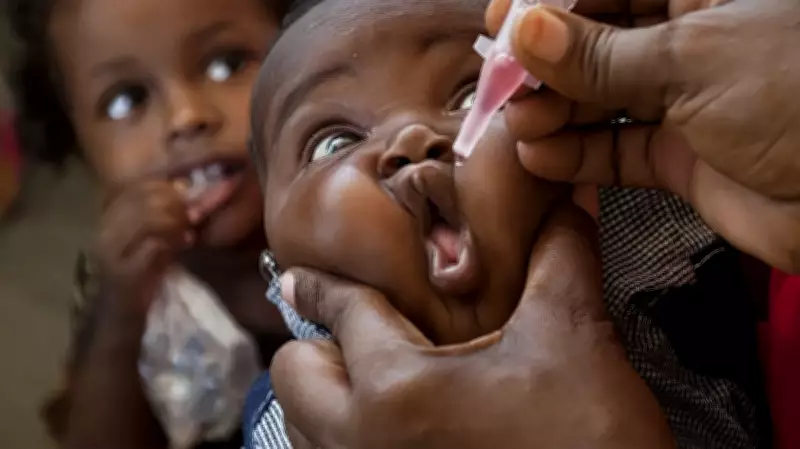
Ursu highlighted that the rapid spread of unverified health claims poses a significant challenge to public health communication, making it increasingly difficult for individuals to differentiate between accurate information and misleading content. He stressed that this trend jeopardizes hard-won gains in key areas such as immunization, maternal and child health, and disease prevention efforts across the country.
"Many global health achievements are deeply rooted in science and its practical application in healthcare delivery," Ursu stated. "Informed decisions based on scientific guidance are essential for improving health outcomes and saving lives."
Importance of Preventive Practices and Investment
In addition to addressing misinformation, Ursu underscored the value of simple preventive measures, noting that regular physical activities like walking have been scientifically proven to reduce health risks. He called for increased investment in public health communication strategies, including the use of local languages and culturally appropriate messaging to effectively counter false information and build public trust in scientific recommendations.
Call for Scrutiny and Collaboration
Also speaking at the event, Kamil Shoretire, Director of Health Planning, Research and Statistics at the Federal Ministry of Health and Social Welfare, emphasized the necessity of rigorous scrutiny before sharing any health information. Shoretire warned that unverified health claims, especially those circulating on digital platforms, can lead to poor health choices and resistance to proven medical interventions.
"Health institutions and professionals must ensure that public information is accurate, evidence-based, and aligned with national health policies," Shoretire urged. He further advocated for stronger research systems and data-driven decision-making to enhance the credibility of health information and service delivery.
Shoretire also highlighted the importance of collaboration among government agencies, media outlets, and civil society organizations to promote responsible health reporting and communication. This collective effort is seen as vital in combating misinformation and ensuring that Nigerians have access to reliable health guidance.
The WHO's message serves as a timely reminder for all stakeholders to prioritize scientific integrity and public trust in the face of growing digital misinformation challenges.