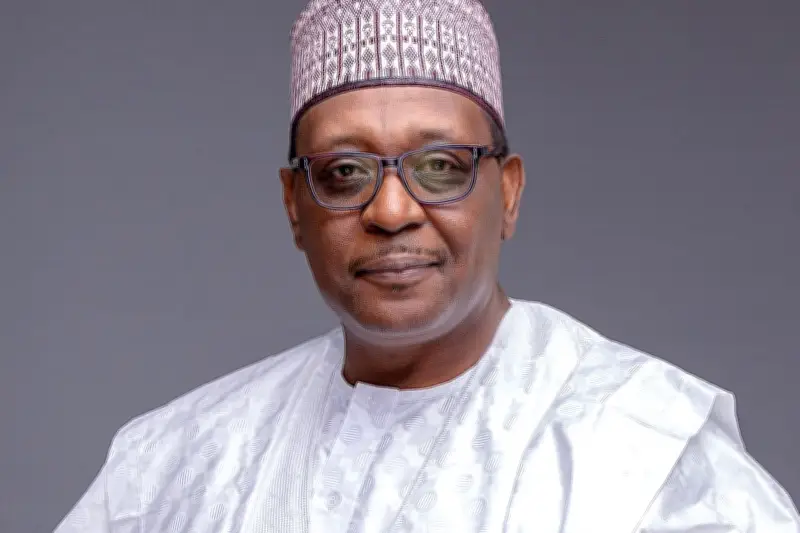
Nigeria has welcomed Gavi's announcement of about US$500 million in support for immunisation between 2026 and 2030, a move aimed at protecting children and strengthening the country's health system. The support, disclosed at a meeting with President Bola Ahmed Tinubu, will finance vaccines, strengthen delivery and surveillance, maintain the cold chain, and reach children who remain outside routine services.
Gavi's Support and Nigeria's Immunisation Challenge
With nearly 10 million children born in Nigeria each year, the country faces one of the most demanding immunisation settings globally. Each cohort must be reached with vaccines already in the national schedule, while new vaccines are introduced only where disease burden, evidence, and health system capacity justify them. The Gavi support, provided under the co-financing model, requires participating governments to meet a share of vaccine costs and take on more as their capacity grows.
Under Gavi 6.0, the Alliance's 2026–2030 strategy, country leadership and long-term sustainability of national immunisation programmes remain central. Nigeria has already co-financed vaccines at a level few countries in the Gavi portfolio have matched, with more than US$500 million coming from domestic resources over the course of the partnership. This scale of commitment reflects Nigeria's demographic weight and a routine schedule of nearly 13 antigens, making vaccines among the highest commodity cost items in the budget of the Federal Ministry of Health and Social Welfare.
Domestic Financing and the NHSRII Framework
Domestic financing for health has risen incrementally under President Tinubu. Health represented about 3.48 per cent of the federal budget when the administration began; it moved to 4.3 per cent, then about 5.28 per cent, and reached 6 per cent of the 2026 budget net of liabilities. Although Nigeria's needs remain greater, this progression establishes a stronger domestic base over successive budgets.
The Nigeria Health Sector Renewal Investment Initiative (NHSRII) was designed to address fragmentation in the health system. Under the Health Sector Renewal Compact, the Federal Government, all 36 states, the Federal Capital Territory, and development partners have committed to work from one national plan, one budget, and one reporting system. The HOPE for Quality Primary Healthcare (HOPE-PHC) programme links financing to measurable improvements in primary healthcare at state level.
Building Local Production and Sustaining Gains
As domestic financing grows, Nigeria aims to reduce dependence on imported finished products. President Tinubu established the Presidential Initiative to Unlock the Healthcare Value Chain (PVAC) to attract investment into domestic production of pharmaceuticals, vaccines, biologics, diagnostics, medical devices, logistics, and health technology. Vaccine manufacturing requires capital, technology transfer, regulation, quality assurance, and dependable demand over many years, but Nigeria's market size supports such investment.
By 2030, fewer children should remain outside routine immunisation, differences between states should have narrowed, and federal and state governments should have a clearer and more durable arrangement for sharing recurrent costs. Data, supply chains, and programme management should also sit more securely within Nigerian institutions. The Gavi funding, rising domestic budgets, and the drive for local manufacturing are parts of one reform programme under the NHSRII, enabling Nigeria to build a health system where international cooperation serves national priorities and domestic institutions carry a growing share of responsibility.