Only 7% of Emergencies Handled by Public Ambulances in Nigeria, Report Reveals
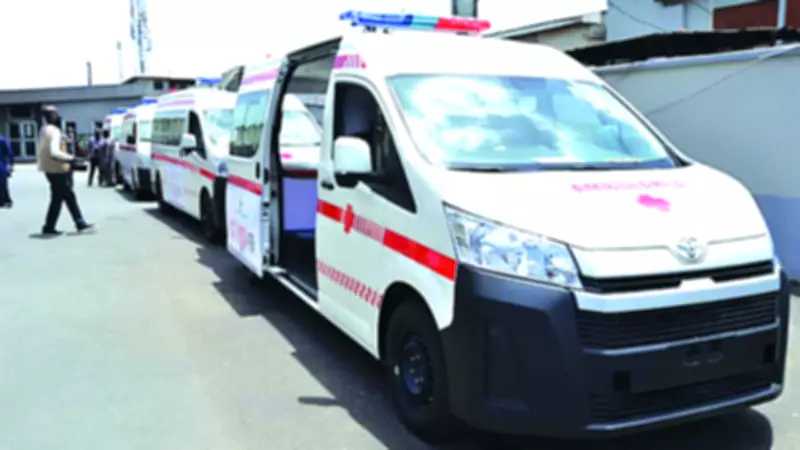
A new industry report has uncovered a critical shortfall in Nigeria's emergency medical response system, revealing that a mere seven per cent of emergency cases are managed by public ambulance services. The Q1 2026 report, authored by Emmanuel Oziwa-John and published by Salvus Emergency, indicates that the vast majority of Nigerians continue to depend on informal and private means during medical crises.
Overwhelming Reliance on Informal Transport Methods
According to the detailed findings, commercial buses account for a staggering 47 per cent of emergency transport across the country. An additional 31 per cent of patients reach hospitals through private vehicles or simply walk in, while private ambulance services handle 15 per cent of cases. This reliance persists despite the presence of more than 36 emergency response structures and the expansion of the National Emergency Medical Services and Ambulance System across 30 states.
The report notes that Nigeria records over six million medical emergencies annually, yet NEMSAS coverage remains alarmingly below 0.2 per cent. Many citizens avoid using ambulances due to fears of being asked to pay upfront fees, even though the Federal Government guarantees free emergency treatment for the first 48 hours following an incident.
Systemic Failures Beyond Ambulance Shortages
The core issue is not simply a shortage of ambulances, but profound deficiencies in coordination, routing, and handoff procedures throughout the emergency care chain. The report explicitly states, "The system fails because of fragmented coordination, routing and handoff, not a lack of hardware. The fault is in the connective tissue."
Response times further illustrate these systemic problems. Lagos records an average emergency response time of 17 minutes, significantly above the World Health Organisation's eight-minute standard. In rural areas of Nigeria, delays can extend beyond 120 minutes, severely compromising patient outcomes.
Delayed Treatment Leading to Preventable Deaths
These delays are costing lives on a massive scale. The report estimates that 10 to 15 per cent of Nigeria's 1.6 million annual deaths occur within emergency departments, primarily because patients arrive too late or without adequate pre-hospital stabilisation. The human toll of these systemic failures cannot be overstated.
Wider gaps in the emergency healthcare system include:
- Poor data sharing between response units and hospitals
- Weak hospital readiness for trauma cases
- Delayed funding mechanisms
- Low insurance coverage among the population
- Absence of a national paramedic registry
Additionally, only 55 per cent of NEMSAS pickups by the third quarter of 2025 were transported to hospitals with functional intensive care units or emergency departments capable of handling major trauma cases.
Comprehensive Solutions Required
The report concludes that Nigeria's emergency healthcare challenges will not be solved by merely adding more ambulances. Instead, comprehensive improvements are needed in:
- Coordination between different response agencies
- Building public trust in emergency services
- Enhancing dispatch systems
- Implementing real-time data sharing across the sector
These findings highlight urgent needs for policy reform and investment in Nigeria's emergency medical infrastructure to save lives and improve healthcare outcomes nationwide.