Historic Birth: UK's First Baby Following Deceased Donor Womb Transplant
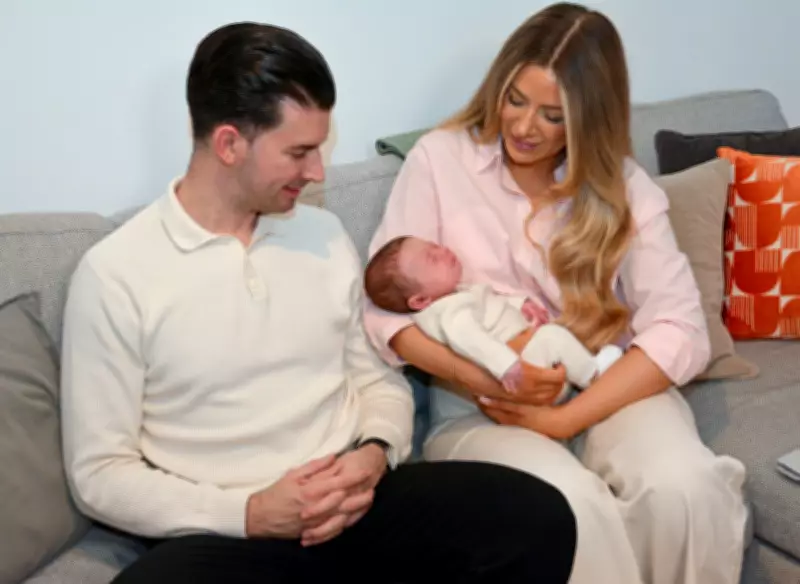
In a groundbreaking medical achievement, Grace Bell has become the first woman in the United Kingdom to successfully give birth after receiving a womb transplant from a deceased donor. This landmark event represents a significant milestone in reproductive medicine and offers new hope to women facing similar fertility challenges.
A Lifelong Dream Fulfilled Against All Odds
Grace Bell, an IT programme manager from Kent, was born with Mayer-Rokitansky-Kuster-Hauser syndrome (MRKH), a rare congenital condition affecting approximately one in 5,000 women in the UK. This syndrome results in the absence or underdevelopment of the uterus, though women with MRKH typically have functioning ovaries and experience normal puberty without menstrual periods.
Grace received her diagnosis at age sixteen, describing the moment as devastating. "I uncontrollably cried after being told I did not have a womb," she recalled, highlighting the emotional impact of learning she would be unable to carry a child naturally.
The Journey to Motherhood Through Medical Innovation
After meeting her partner, Steve Powell, Grace immediately shared her diagnosis. The couple initially explored surrogacy options before joining the pioneering womb transplant programme operated by Womb Transplant UK. Following several years in the programme, Grace underwent an extensive transplant surgery in 2024 at the Oxford Transplant Centre, a procedure lasting more than seven hours.
After the successful transplant, Grace began private fertility treatment. "Finding out I was pregnant felt like being the luckiest girl in the world," she expressed. "From the moment of my diagnosis, every birthday when I blew out my candles, I would wish for this - to be able to experience pregnancy."
The Miraculous Arrival of Baby Hugo
Grace's son, Hugo Powell, was delivered via Caesarean section in December at Queen Charlotte's and Chelsea Hospital, part of Imperial College Healthcare NHS Trust. The newborn weighed 6 pounds 13 ounces at birth.
"It's simply a miracle," Grace declared. "I never, ever thought that this would be possible." Both parents described Hugo's birth as surreal. Grace remembered "waking up in the morning and seeing his little face... and it felt like I needed to wake up from a dream. It was just incredible."
Steve Powell echoed this sentiment, stating their journey "is nothing short of a miracle after everything we've been through." The couple may consider having a second child in the future, after which surgeons plan to remove the transplanted womb to avoid long-term immunosuppressant medication risks including infection and high blood pressure.
Gratitude and Generosity: The Donor's Legacy
Grace expressed profound appreciation for her donor and the donor's family. "There are no words to say thank you enough to my donor and her family," she said. "Their kindness and selflessness to a complete stranger is the reason I have been able to fulfil my lifelong dream of being a mum."
The donor's family shared that while losing their daughter had "shattered" their world, they found comfort knowing her final act was one of extraordinary generosity. They encouraged others to consider organ donation, emphasizing how such decisions can transform lives.
Global Context and Future Implications
Hugo represents the first baby born in the UK following a deceased donor womb transplant, joining approximately 25 to 30 babies worldwide born through similar procedures. Womb Transplant UK has performed five transplants in the country to date, resulting in two births with three additional women currently undergoing IVF treatment.
This medical breakthrough demonstrates the expanding possibilities of reproductive medicine and organ transplantation. For women with MRKH and similar conditions, this success story provides tangible hope that motherhood through pregnancy may become increasingly accessible through continued medical advancement and donor generosity.