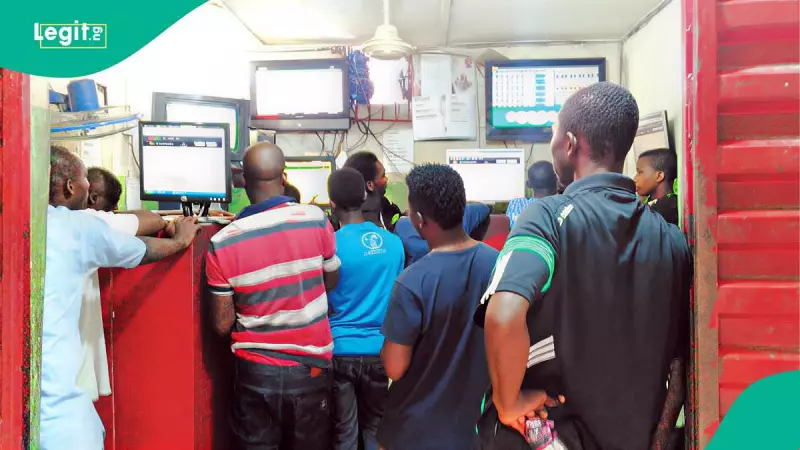
By the close of 2025, Nigeria's gambling sector is projected to be a financial behemoth, generating an estimated $3.63 billion. This staggering figure is fueled by the daily activities of approximately 60 million Nigerians, who collectively wager around $5.5 million on sports like football, tennis, basketball, and horse racing.
The Allure and The Illusion: Chasing Financial Freedom
From bustling urban centres to quiet rural communities, betting shops have become a common sight. They represent a powerful lure for millions, primarily aged 18 to 40, who are chasing dreams of quick wealth and an escape from economic pressure. The promise of financial freedom, however, remains a mirage for the overwhelming majority.
Industry reports indicate the total annual value of Nigeria's gambling market surpasses N1 trillion. While the business outlook is promising for operators, and stories of big wins make headlines—like the 10,000 Nigerians reported to have become millionaires from betting in 2025—the reality is stark. This number translates to a success rate of merely 0.017% of the daily staking population, underscoring that the vast majority fund these profits with their losses.
The Dark Side of the Betting Boom
The massive profitability of betting companies operates on a clear model: profits are built directly from player losses. This 'garbage in, garbage out' dynamic requires no government support, explaining why new platforms continually emerge in an already saturated market.
Beneath the surface of this economic activity lies a deepening crisis with severe consequences:
Mental Health and Addiction: The stress and anxiety from consistent losses are a direct path to depression and other mental health disorders. The World Health Organisation classifies gambling as an activity with the potential for serious harm, and Nigeria is witnessing this firsthand.
Financial Ruin and Broken Lives: Addiction often leads to catastrophic personal loss. The story of sports enthusiast Alabi Tolulope Michael is a poignant example; his gambling addiction cost him a five-year relationship, a dependent visa to the UK, and his future plans.
Rise in Crime and Social Decay: To fund their habits, some desperate bettors turn to theft, fraud, and other illegal activities. This contributes to a tangible increase in community crime rates.
Integrity Issues: The crisis also fosters environments ripe for corruption and match-fixing, threatening the very foundation of sports integrity.
Charting a Path Forward: Real Solutions for a Real Crisis
Tackling this multifaceted problem requires intentional, collaborative action from all stakeholders.
Government and Regulatory Action: There is an urgent need for stricter oversight and enforceable regulations. This includes mandating transparent operations from betting firms and crucially, limiting the marketing of betting services to vulnerable groups, especially minors.
Corporate Responsibility from Betting Companies: Operators must move beyond profit-seeking to promote responsible gambling. This can be achieved by implementing tools that allow users to set deposit limits, issuing spending warnings, and offering incentives for moderate betting behaviour.
Education and Viable Alternatives: Nationwide awareness campaigns are essential to educate youths on the risks of betting. Simultaneously, government, NGOs, and private sectors must invest in creating profitable opportunities, mentorship programmes, and skills acquisition hubs that provide a genuine path to success without gambling.
Support Systems: Establishing accessible counselling and support services for individuals and families devastated by gambling addiction is non-negotiable for recovery and harm reduction.
A gambling-responsible society in Nigeria is an achievable goal. It demands confronting the root causes—economic desperation, lack of opportunity, and poor regulation—and implementing these comprehensive, real-world solutions to safeguard the nation's future.