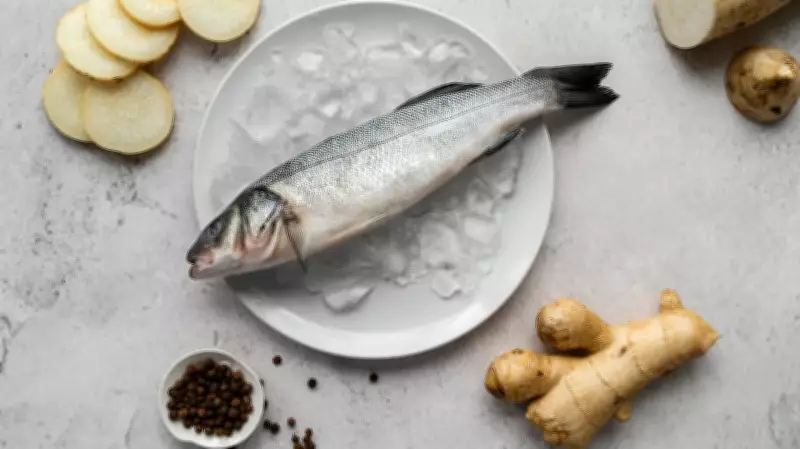
One in three Nigerian adults lives with high blood pressure, according to the World Health Organisation (WHO) and recent local studies. In this column, Fiyinfoluwa Odukoya explains how everyday foods can support treatment and help protect the heart.
Food as Part of the Solution
For many people living with high blood pressure, the first advice they receive is about drugs, clinic visits, and salt reduction. However, food is also an essential part of the conversation, even when it is not explained well. A man who had been taking blood pressure medication for three years once asked, “What should I be eating?” His drugs were working, but his doctor had warned that food could either support his treatment or make his body work harder. He knew when to take his pills, but he did not fully understand how the food on his plate could affect his blood pressure. Many Nigerians are in that same situation. Hypertension is common, but the food side of treatment is still not discussed enough. Medication matters, but everyday meals also play a role. Some foods help the body handle salt better, some support the blood vessels, and some help the heart work with less pressure.
10 Foods for Better Blood Pressure Management
Here are 10 foods that several studies and nutrition guidelines have linked to better blood pressure management, many of them already common in Nigerian homes.
Leafy Vegetables
Ugu, spinach, waterleaf, and bitter leaf are already familiar in many homes, but they are more than soup ingredients. They contain potassium, a mineral that helps the body remove excess salt. Since too much salt can raise blood pressure, eating more vegetables regularly can support better control.
Beans and Legumes
Beans is one food we should stop underrating. Brown beans, black-eyed beans, and lentils contain fibre, magnesium, and potassium, which help the blood vessels relax and support better blood flow. For someone managing high blood pressure, beans is not poor man’s food. It is heart-friendly food.
Oily Fish
Mackerel, sardines, and catfish contain omega-3 fatty acids, which support the blood vessels and may help reduce inflammation in the body. The cooking method also matters. Grilled, boiled, or lightly stewed fish is a better option than fish soaked in oil.
Garlic
Garlic is already common in many kitchens, but it does more than add flavour to stew, soup, and sauce. It contains allicin, a compound that some studies have linked with lower blood pressure. Garlic should not replace medication, but using it often in meals can support a heart-friendly diet.
Bananas
Bananas are cheap, common, and easy to eat. They contain potassium, which helps balance the effect of salt in the body. For many people, eating bananas regularly is a simple habit that can support blood pressure control.
Watermelon
Watermelon is more than a sweet fruit for hot afternoons. It contains citrulline, which may help blood vessels relax and allow blood to flow better. It also helps with hydration, especially in Nigeria’s hot weather.
Yoghurt
Plain yoghurt can support blood vessel health because it contains calcium and probiotics. But the type matters. Many sweetened yoghurts contain too much sugar, so plain or low-sugar yoghurt is the better choice for people watching their blood pressure.
Fluted Pumpkin Seeds
Many people throw away Ugwu seeds while preparing pumpkin leaves, but the seeds contain magnesium and zinc, which can support blood pressure regulation. They can be dried, lightly roasted, or blended into meals instead of being wasted.
Bitter Kola
Bitter kola has been used traditionally across West Africa for many years. Some early research suggests it may support blood flow by helping blood vessels relax. Still, it should be taken with caution because it is not hypertension medicine and should not replace treatment from a doctor.
Water
Water may sound too ordinary, but it matters. When the body does not have enough water, blood vessels can become narrower, and the heart may work harder. Many people go through the day with very little water, especially when busy, and that habit does not help the body.
Food is Not a Replacement for Drugs
Food can support blood pressure control, but it is not a cure. Anyone diagnosed with hypertension should continue taking medication as directed by a doctor. The best result comes from combining medication, healthy eating, less salt, regular checkups, exercise, and proper rest. Your plate can support your treatment, but it should never replace it.