Egg Consumption Alert: Common Cooking Mistakes That Undermine Health Benefits
Eggs represent one of the most nutritionally complete foods available globally, offering an affordable and accessible source of high-quality protein, healthy fats, and essential vitamins. However, the nutritional value of eggs can be significantly compromised by common preparation methods and food pairings that many consumers routinely practice without awareness of the potential health consequences.
The Nutritional Powerhouse That Requires Careful Handling
A single egg contains an impressive array of nutrients including vitamin B12, selenium, and choline—a vital nutrient frequently deficient in modern diets. In an economic climate marked by rising food prices, eggs provide a cost-effective means to meet daily protein requirements. Yet, the health benefits of eggs are directly influenced by cooking techniques, ingredient combinations, and even temperature control during preparation.
Many individuals who consume eggs regularly remain unaware that certain habitual practices quietly diminish the nutritional advantages while potentially introducing health risks over extended periods.
Six Common Egg Preparation Errors That Compromise Health
- Frying in Butter or Lard: While eggs themselves constitute a healthy protein source, cooking them in saturated fats substantially increases both calorie and fat content. This transformation can convert a nutritious meal into one that contributes to cardiovascular issues when practiced consistently over time.
- Pairing with Pork Products: Combining eggs with pork meats creates a dual cholesterol load that elevates LDL (low-density lipoprotein) levels. This "bad" cholesterol promotes arterial plaque accumulation, narrowing blood vessels, restricting circulation, and heightening risks for heart attacks, strokes, and various arterial diseases.
- Serving with Processed Sausage: This combination merges the natural cholesterol present in eggs with chemical preservatives found in processed meats. The resulting mixture increases cardiovascular disease risk and may trigger digestive complications, particularly for individuals with sensitive gastrointestinal systems.
- Consuming Raw Eggs: Despite popularity in certain fitness communities for perceived protein benefits, raw eggs carry genuine contamination risks. They may harbor Salmonella bacteria either internally during formation or externally through shell contact, potentially causing severe food poisoning episodes.
- Accompanying with Carbonated Beverages: The acidic properties of sodas interact negatively with egg proteins, frequently resulting in bloating and gas. Regular consumption of this combination can damage stomach lining integrity and interfere with nutrient absorption processes.
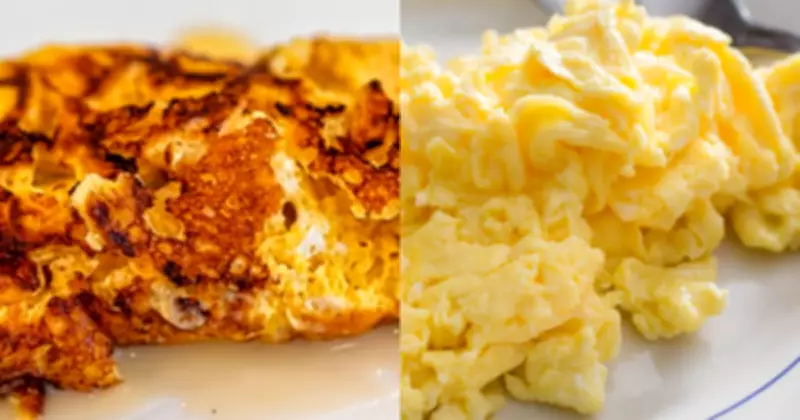
- Cooking at Excessive Temperatures: When subjected to extreme heat, the cholesterol content in eggs undergoes oxidation, producing compounds called oxysterols. Research links these substances to increased cardiovascular disease risk, making moderate-temperature cooking preferable despite requiring slightly longer preparation times.
Healthier Alternatives for Optimal Egg Consumption
Plantain and Egg Frittata: This versatile dish suits both vegetarian and non-vegetarian preferences. Plantains contribute natural sweetness alongside potassium and dietary fiber, while eggs provide substantial protein. The preparation is quick, easily customizable with available vegetables, and sufficiently filling for sustained morning energy.
Cabbage and Egg Stir-Fry: A low-carbohydrate, economical option suitable for breakfast or light evening meals. Shredded cabbage stir-fried with eggs, garlic, soy sauce, and onions creates a nutrient-dense meal with minimal calories. Cabbage adds vitamin C and supports digestive health, enhancing the functional benefits of this combination.
Oat Porridge with Boiled Egg: This pairing offers exceptional nutritional balance. Oats provide slow-releasing carbohydrates and soluble fiber that stabilize blood sugar levels, while boiled eggs contribute clean protein. Together they create a breakfast that sustains satiety significantly longer than traditional fried alternatives.
Oat Pancakes with Egg: For those preferring textured meals, whisking eggs directly into oat batter produces protein-rich, fiber-dense pancakes. This represents a nutritionally superior alternative to flour-based pancakes and complements well with fresh fruits or light honey drizzles.
Addressing Common Egg Consumption Questions
Is combining eggs with plantain dangerous? No scientific evidence supports claims that this combination is toxic or fatal. This represents a nutritional hoax contradicted by millions who safely consume this pairing daily.
Do eggs hinder weight loss efforts? Contrary to this misconception, eggs actually support weight management through high-quality protein content and nutrients that boost metabolism, enhance satiety, and help reduce overall daily calorie intake.
Can eggs and cheese be consumed together? Absolutely. This classic combination remains both nutritious and completely safe for regular consumption, offering complementary proteins and essential nutrients.